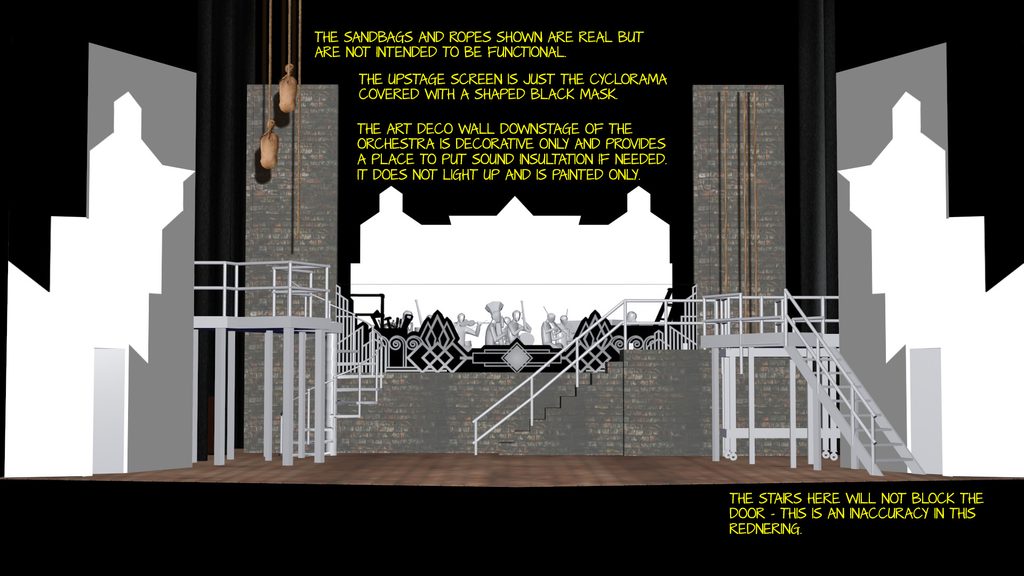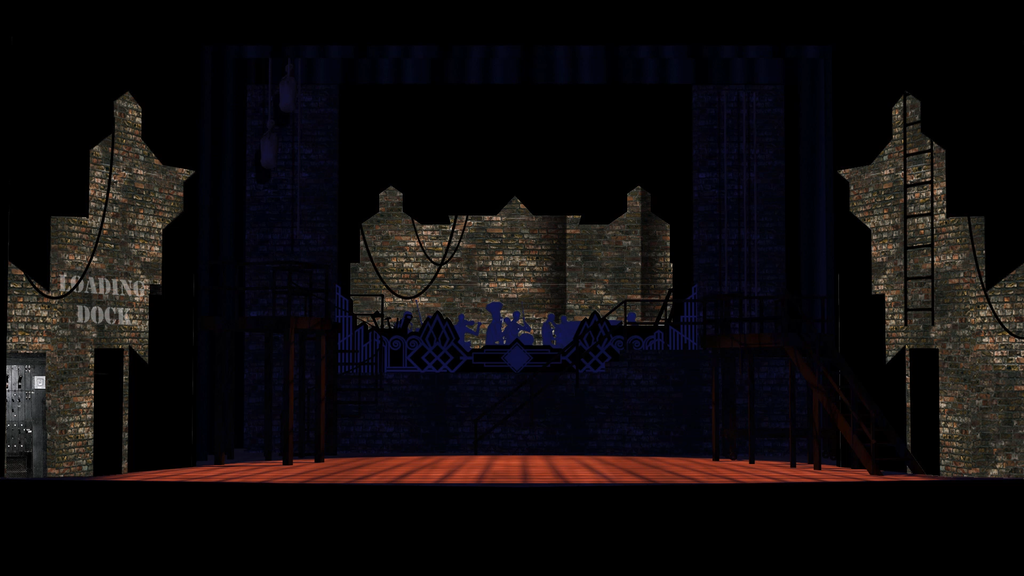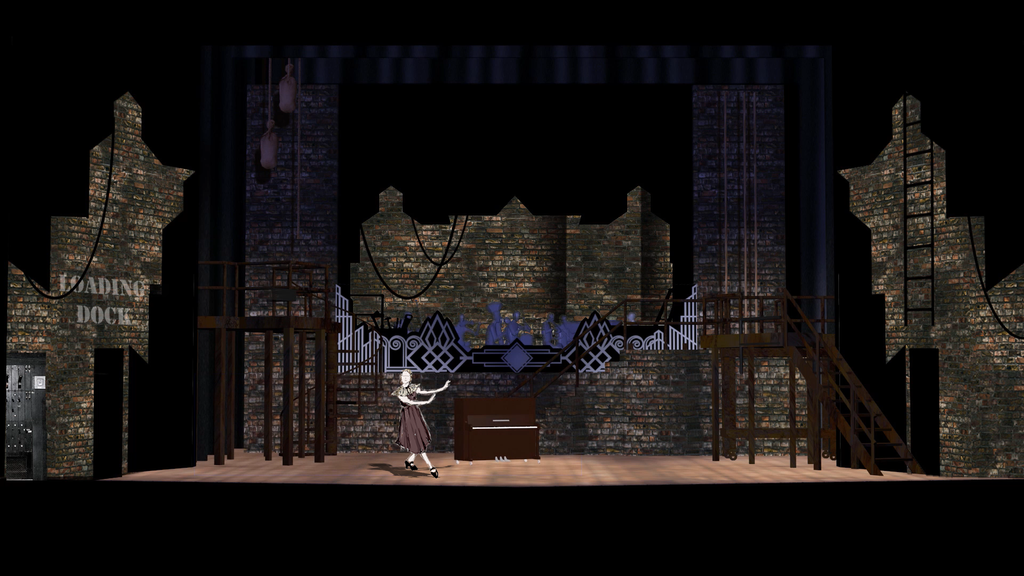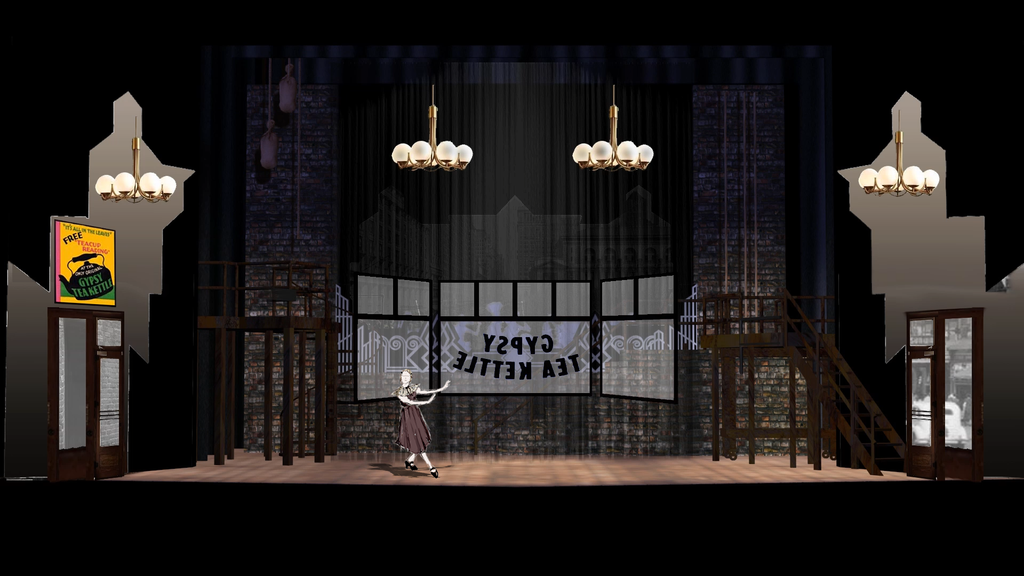
Auburn University
February, 2027

Act I
Scene
OvertureVoices of kids in darkness
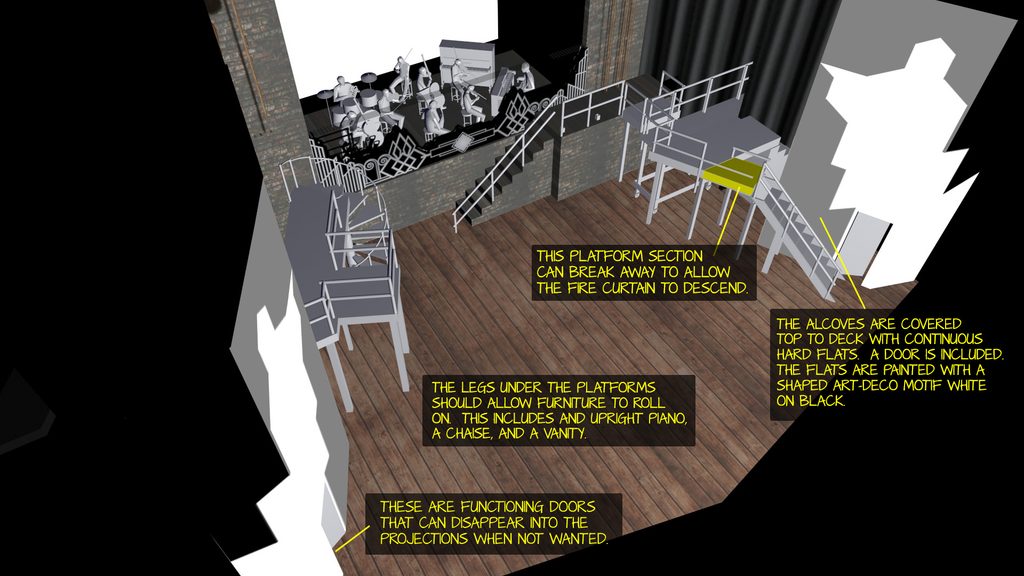
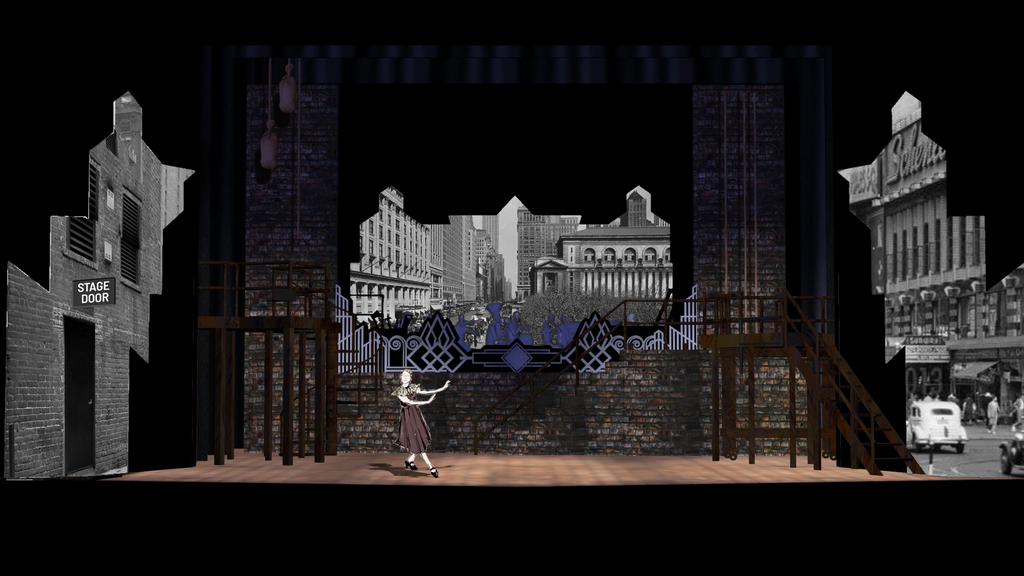
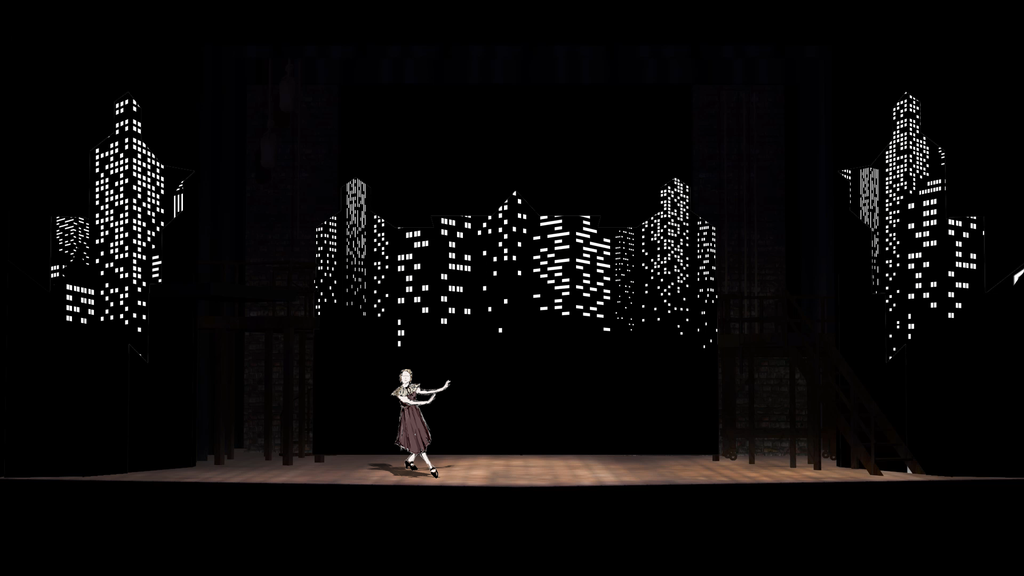
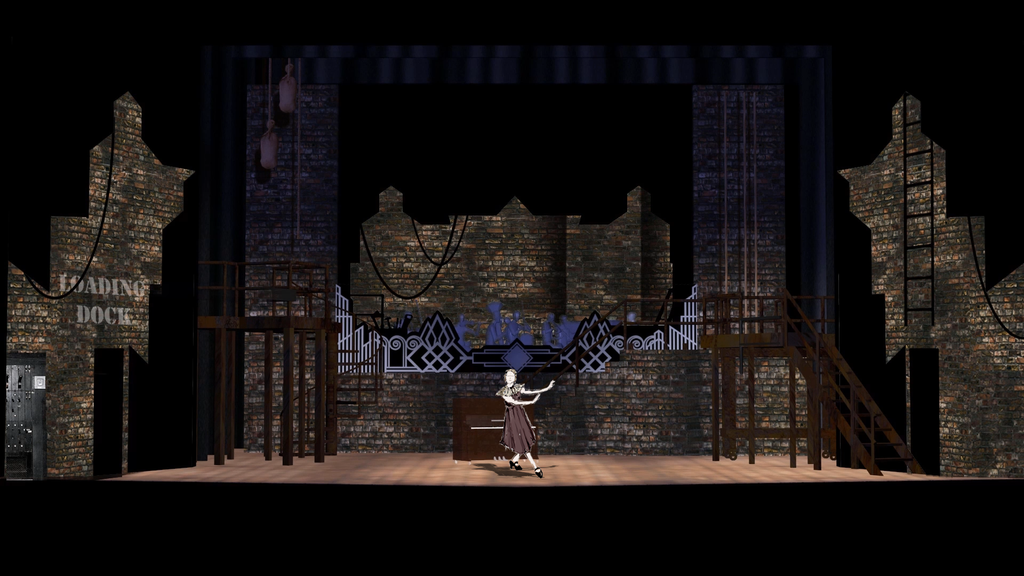
1Stage of the 42nd-Stree Theatre, NY
2The Gypsy Tea Kettle, restaurant
3Stage of the 42nd Street Theatre
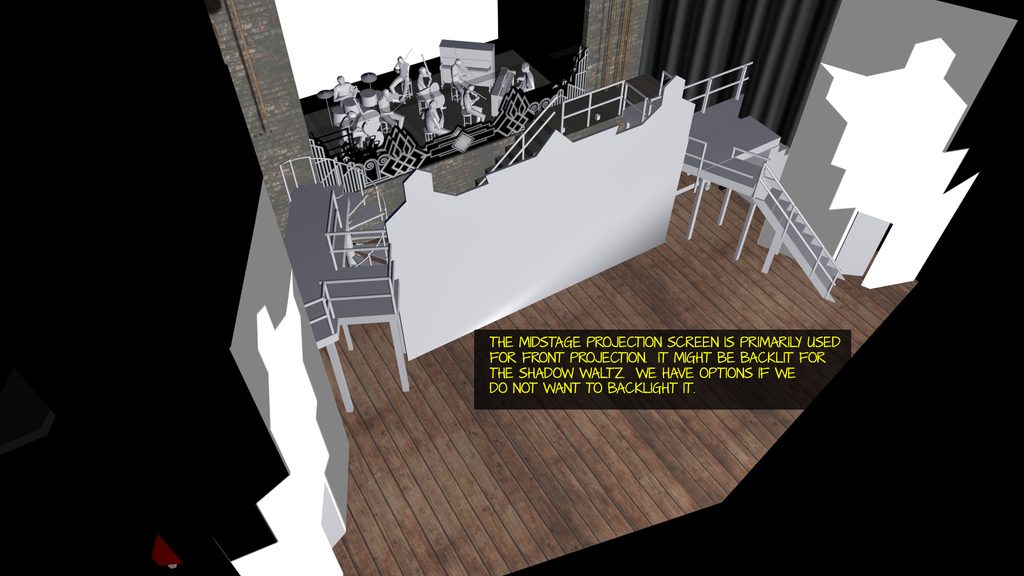
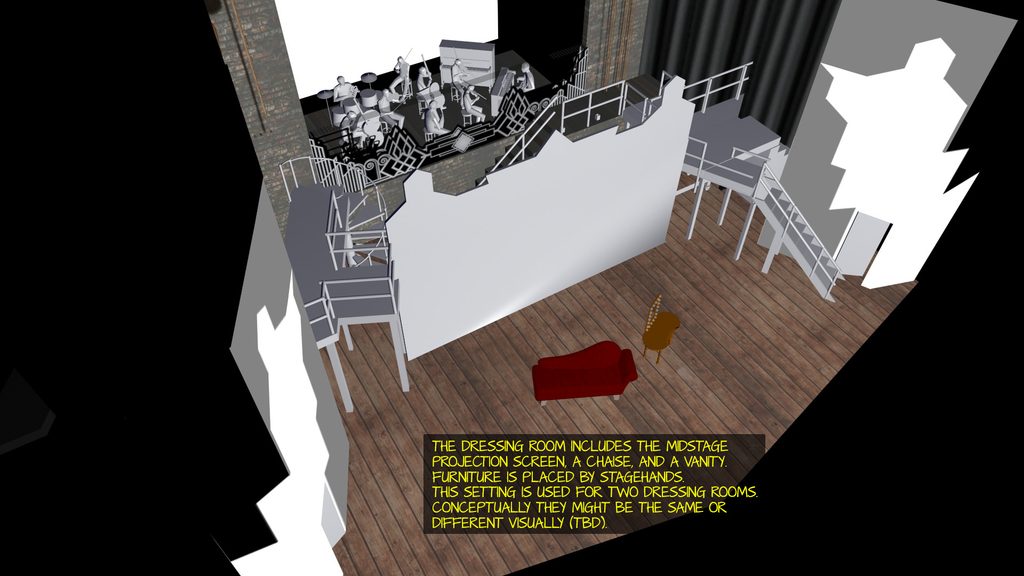
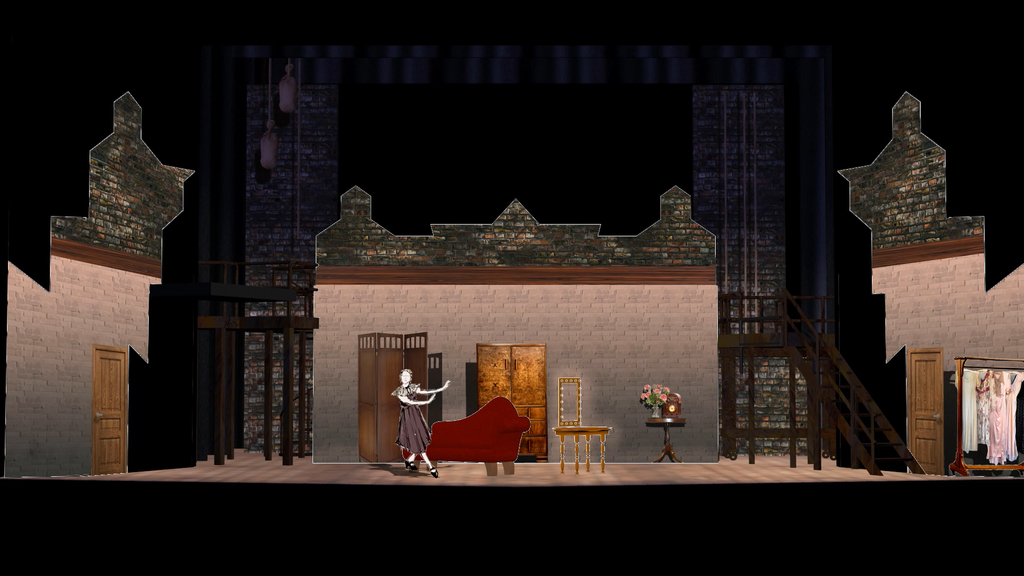
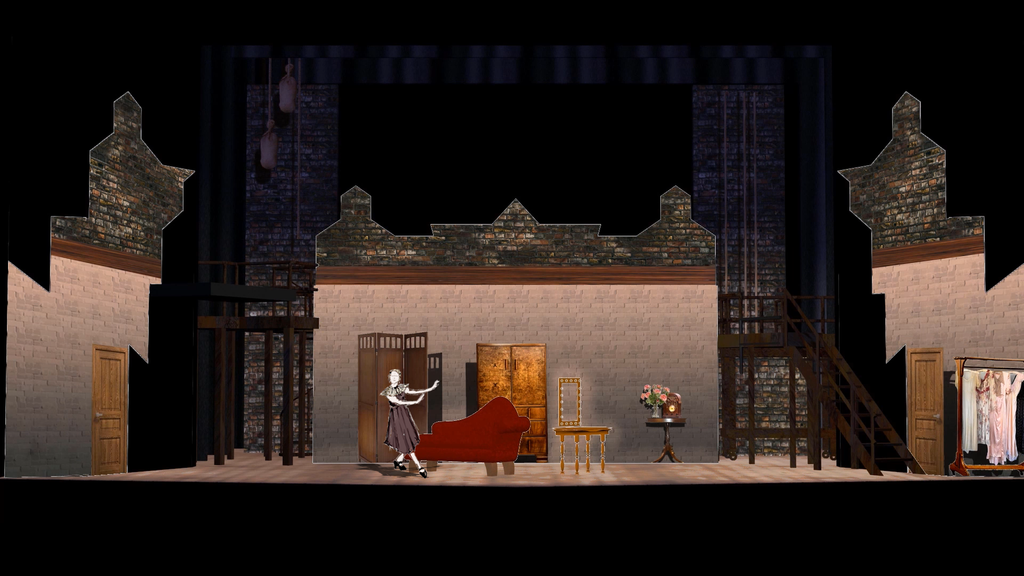
4Dorothy Brock’s Dressing Room
5Stage of the 42nd Street Theatre
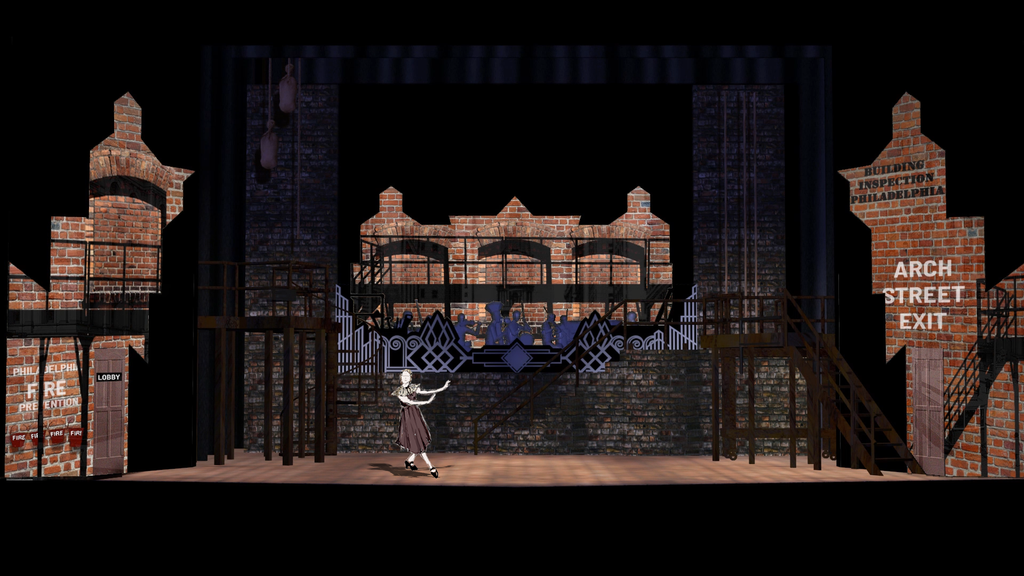
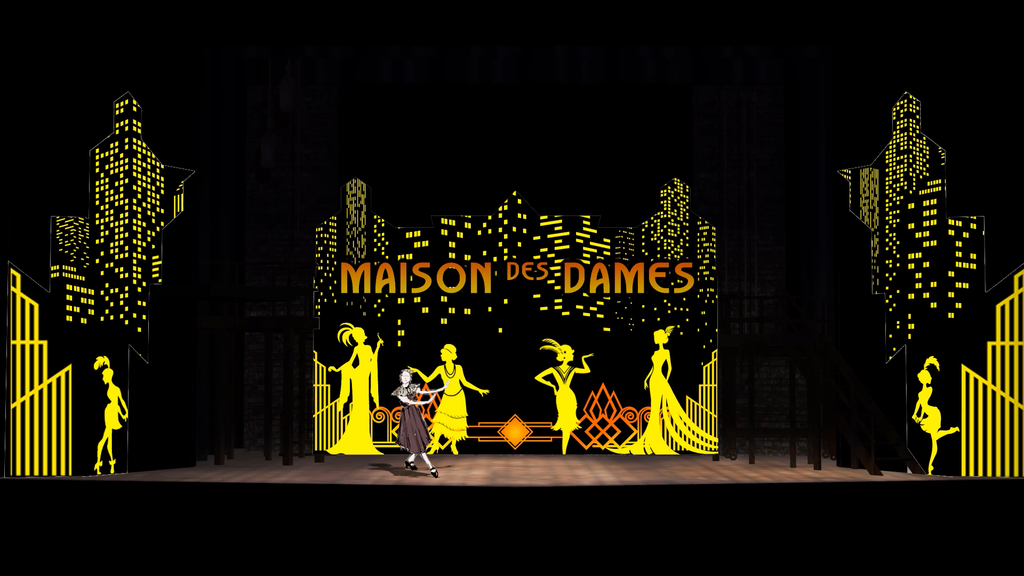
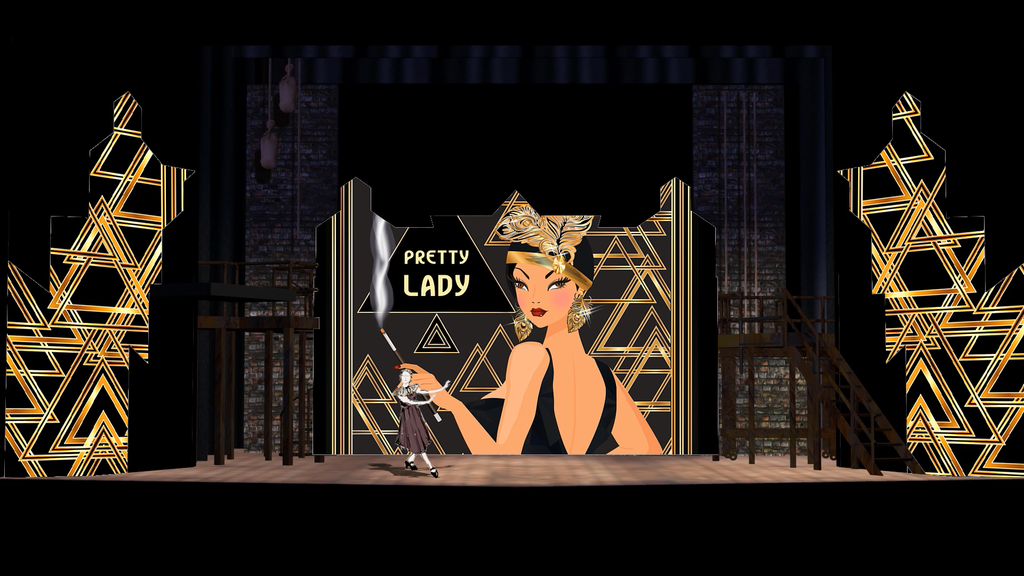
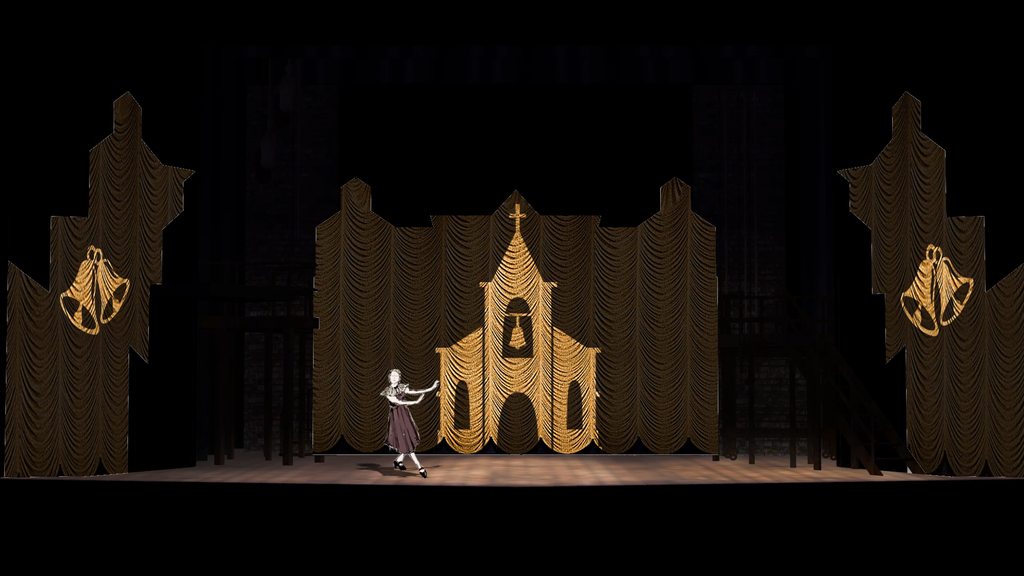
6Stage of the Arch Street Theatre, Philadelphia.  PRETTY LADY “Maison des Dames” exterior and interior
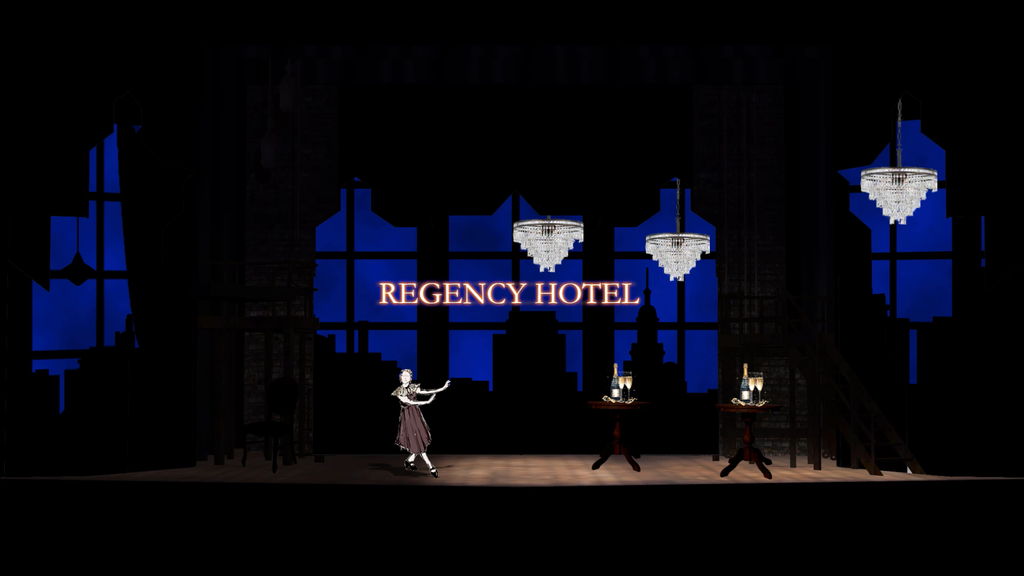
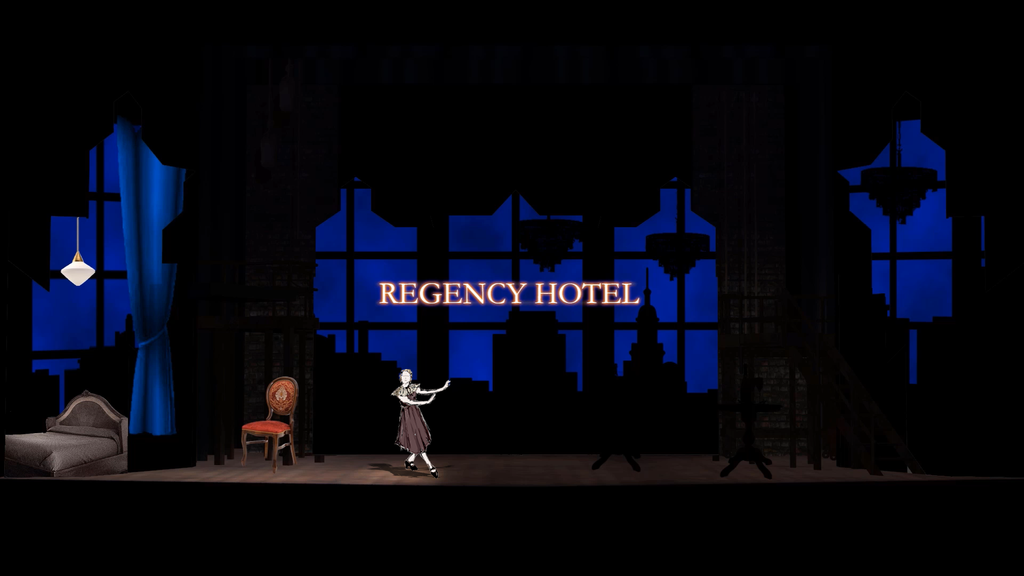
7The Regency Hotl, Phildalphia.  A duplex set:  Dorothy Brock’s room above, Regency Club with bar is below.
8PRETTY LADY, Opening Night, Philadelphia
Act II
1Outside of the Stage Door, Arch Street Theatre
2Voices of the Kids in darkness; TheKids Dressing Rooms, a three-tiered unit
3Outside of the Stage Door, Arch Street Theatre
4Broad Street Station, Phladelphia.  The Train platform with two staircases, leading down from the Main Hall Above
5Backstage, the Forty-Second Street Theatre, New York
6Peggy Sawyer’s Dressing Room
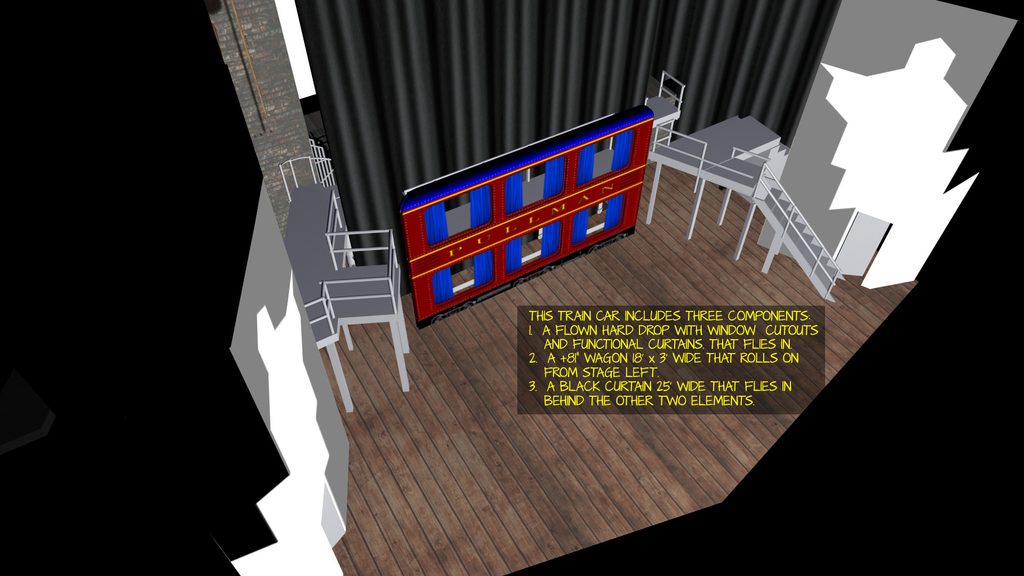
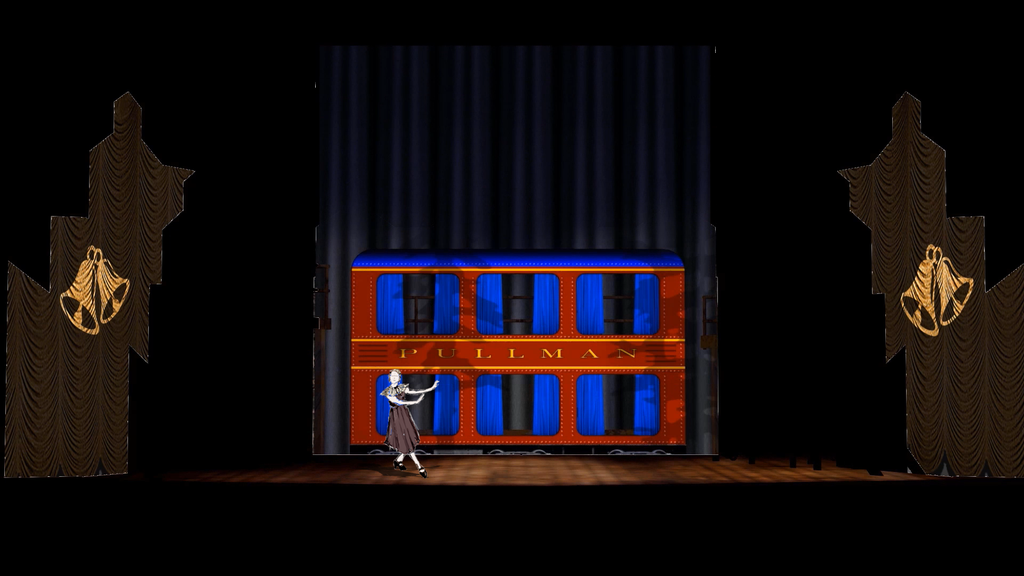
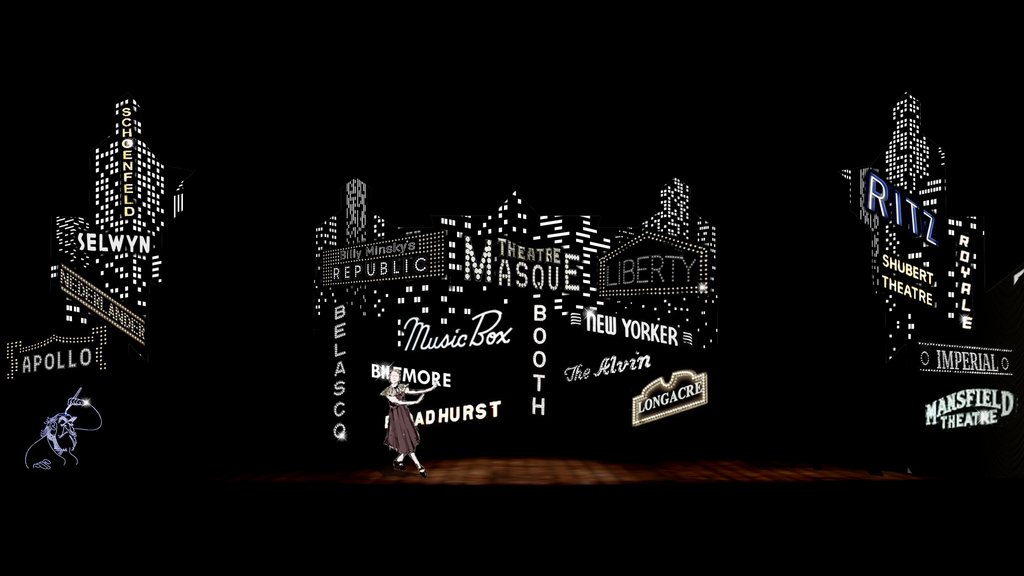
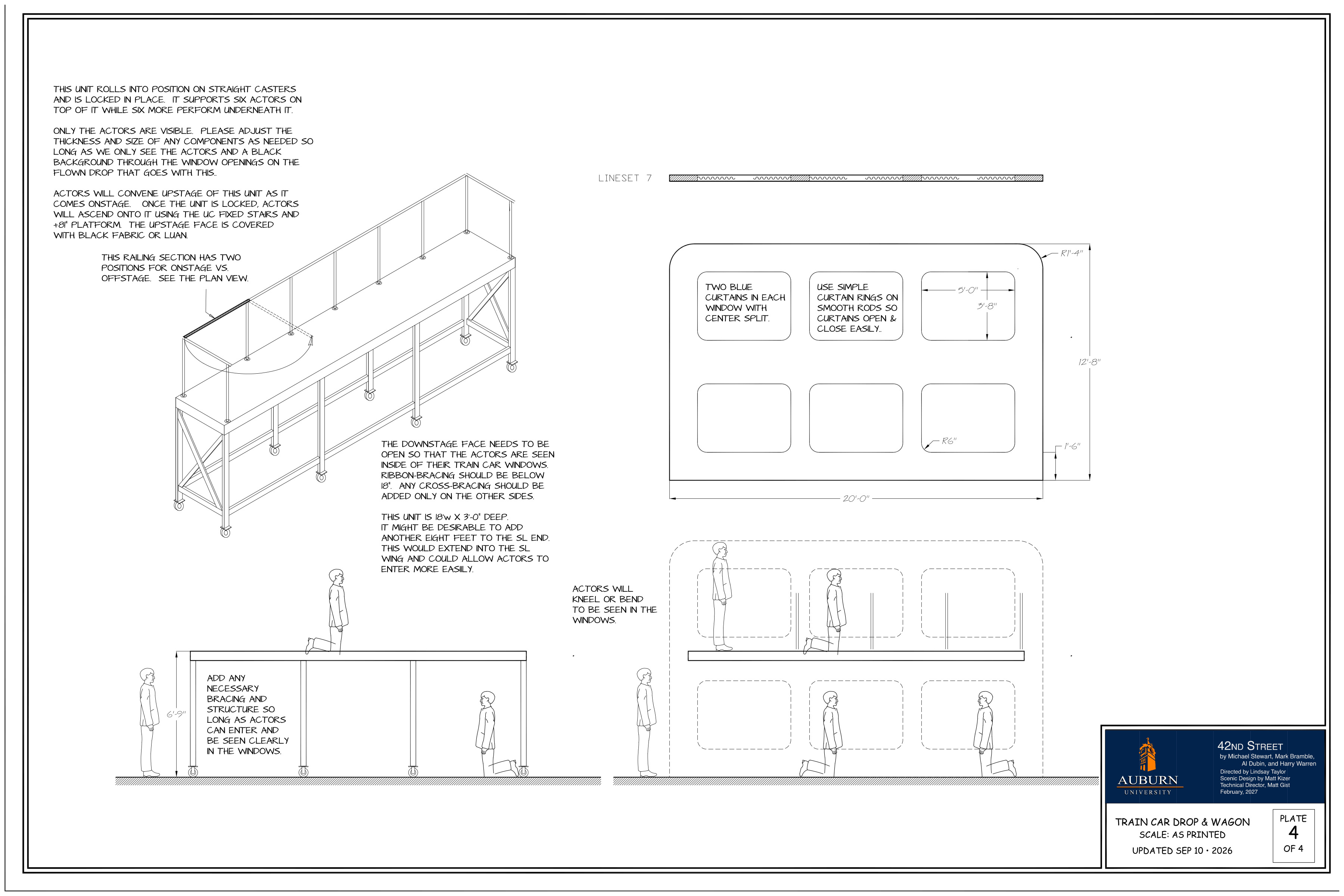
7PRETTY LADY:  Cross-secion of a Pullman Car with curtained berths.   Full-stage – behind a dark scrim.  Full Stage – Glittering Marquees of 42nd Street
8On Stage, immediately following the performance

42nd Street [Broadway] 21 April, 2001

Douglas Schmidt’s design is lavish. It is in line with the expectations for Broadway and West End scenery coming out of the 80s and 90s into 2001.Spectacle is the rule. At 0:48 ish there is a huge mirror over the stage (I did something similar for a show here). Some elements are carried; round dance platforms/coins are brought in by the chorus around 1:04 for We’re in the Money. Large danceable units such as the risers around 1:54 find their way onstage easily. Pretty Lady (play within a play) is solidly Art Deco.

Performed by the Ruth Asawa San Francisco School Of The Arts

This production has some interesting integration of scenery with performance. At 1:10 ish the dressings rooms include flown framed mirrors echoing the Broadway production during There’s A Sunny Side to Ev’ry Situation. There are some nice uses of stairs integrated into drops and scrims are employed. Some settings are uninteresting, such as the black drapes at 28:00 ish. The stagecraft quality is excellent in general. The staging is generally lateral and a bit shallow on the stage. Coin-platforms for We’re In the Money are similar to the Broaday production (like many choices) and very effective.

2020 MONTCLAIR STATE UNIVERSITY

This production has beautiful drops and beautiful wagons. It is consistently a nearly empty stage for large dance numbers. The electrified signs at 2:14 ish are lovely and are a break from the painted drops visually if not spacially. Even more than the San Francisco SOTA production, it is lateral and flat in its use of the stage. The scenery and the actors do not really come together.


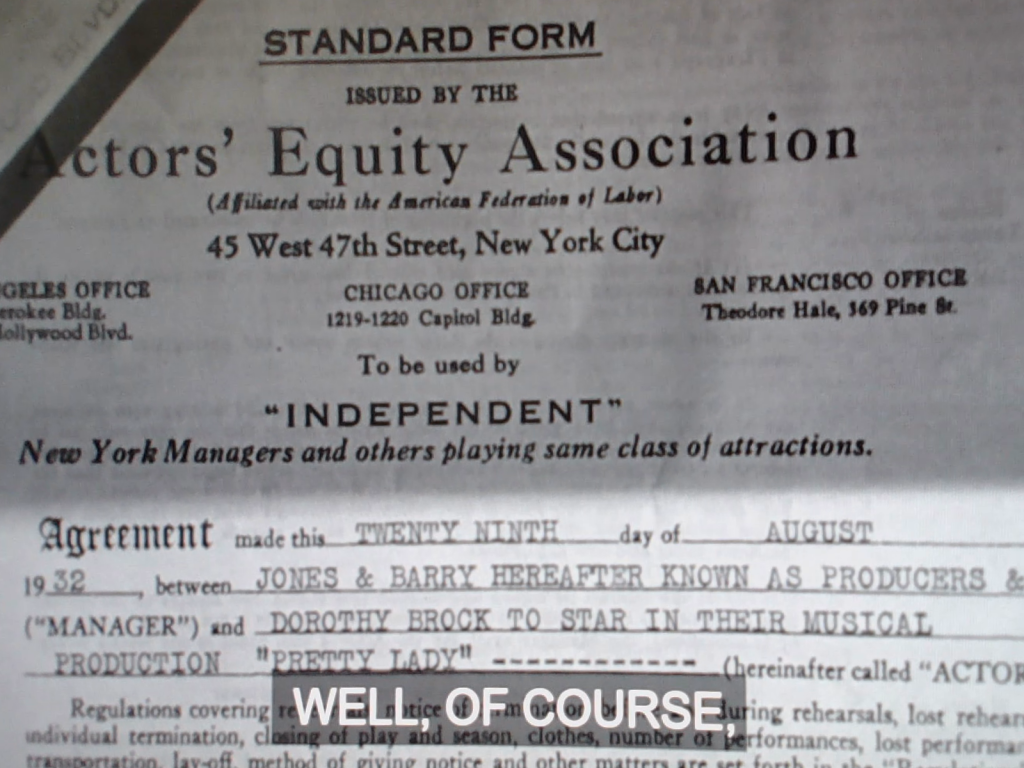
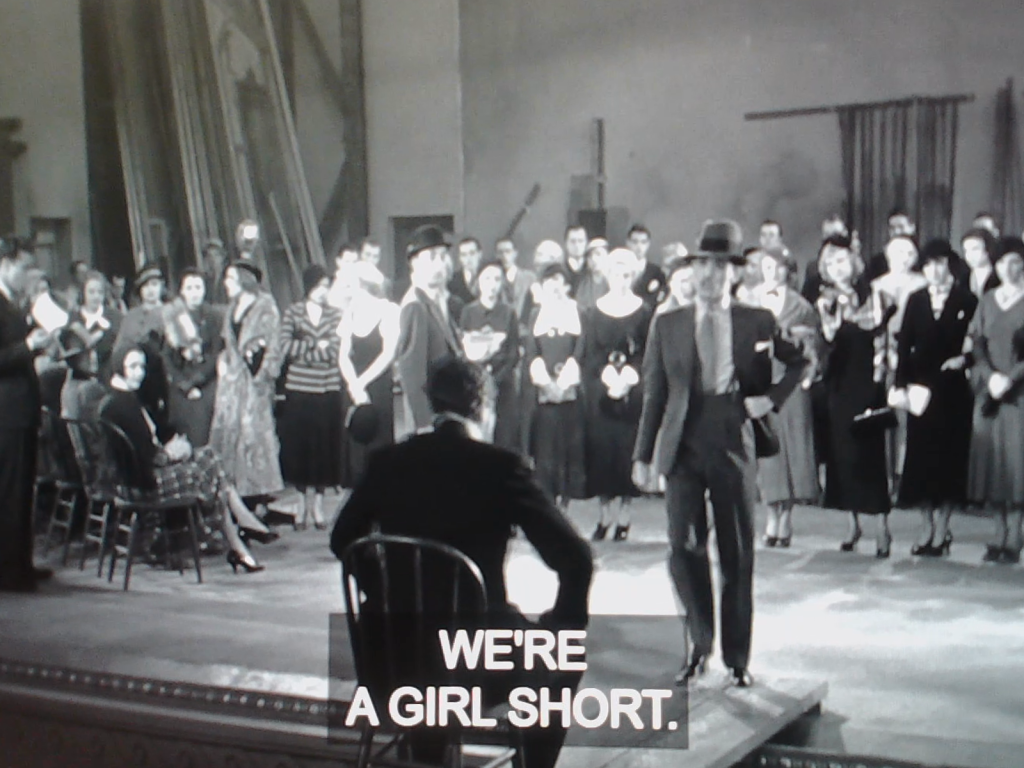
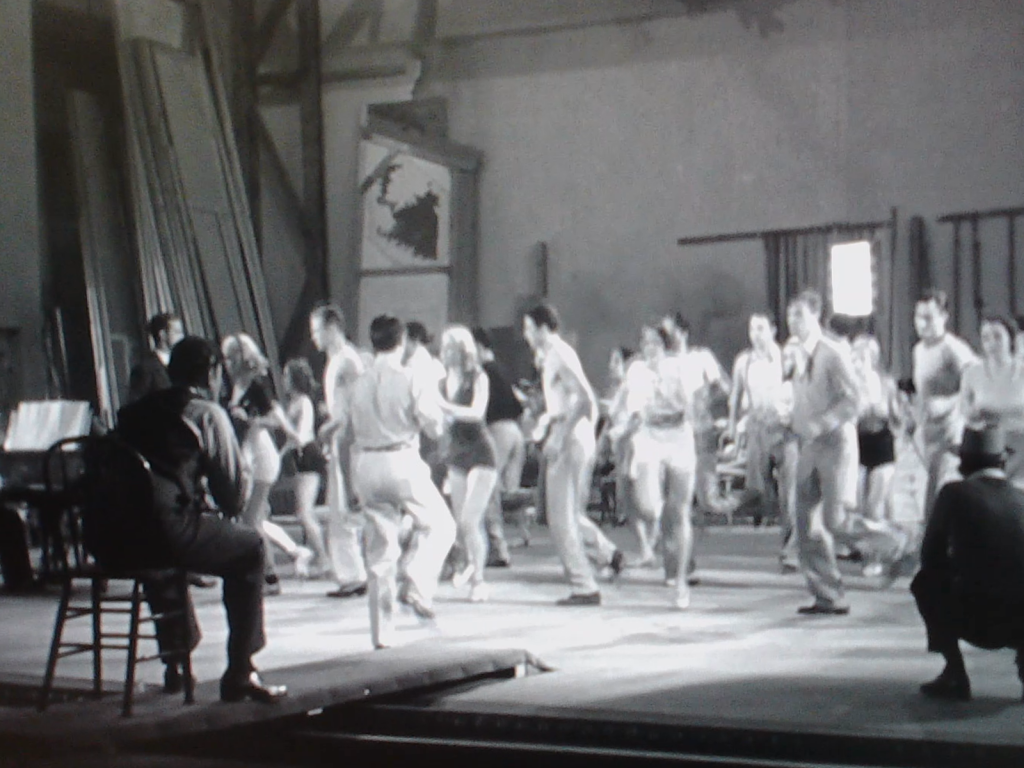
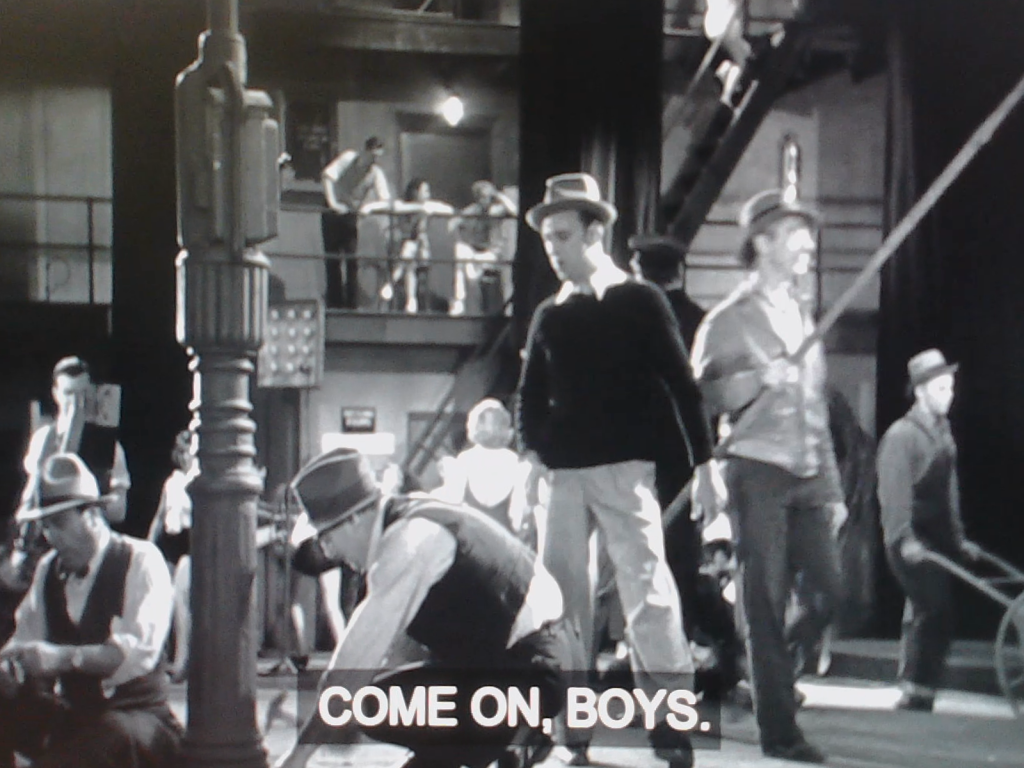
The 1932 Film

Bradford Ropes wrote in 1932 that America was still waiting for the “Uncle Tom’s Cabin of the chorus girl.” (The Great American Songbooks: Musical Texts, Modernism, and the Value of Popular Culture)

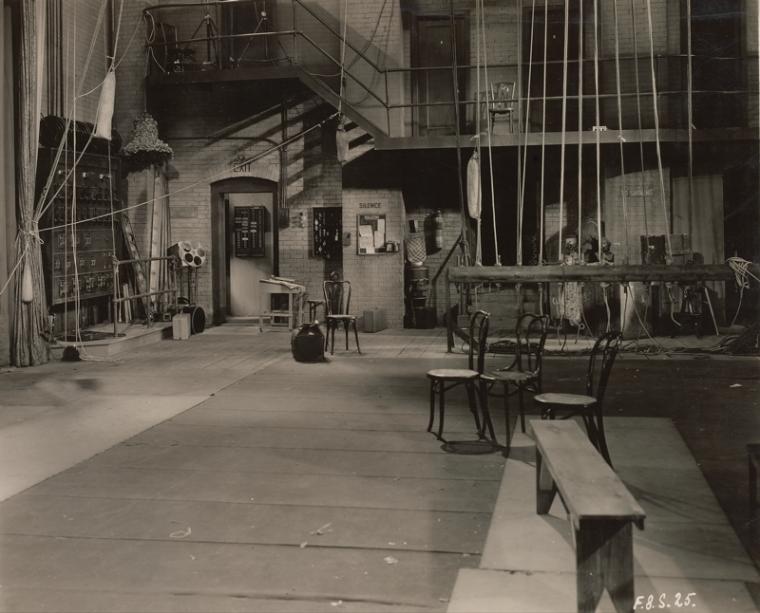
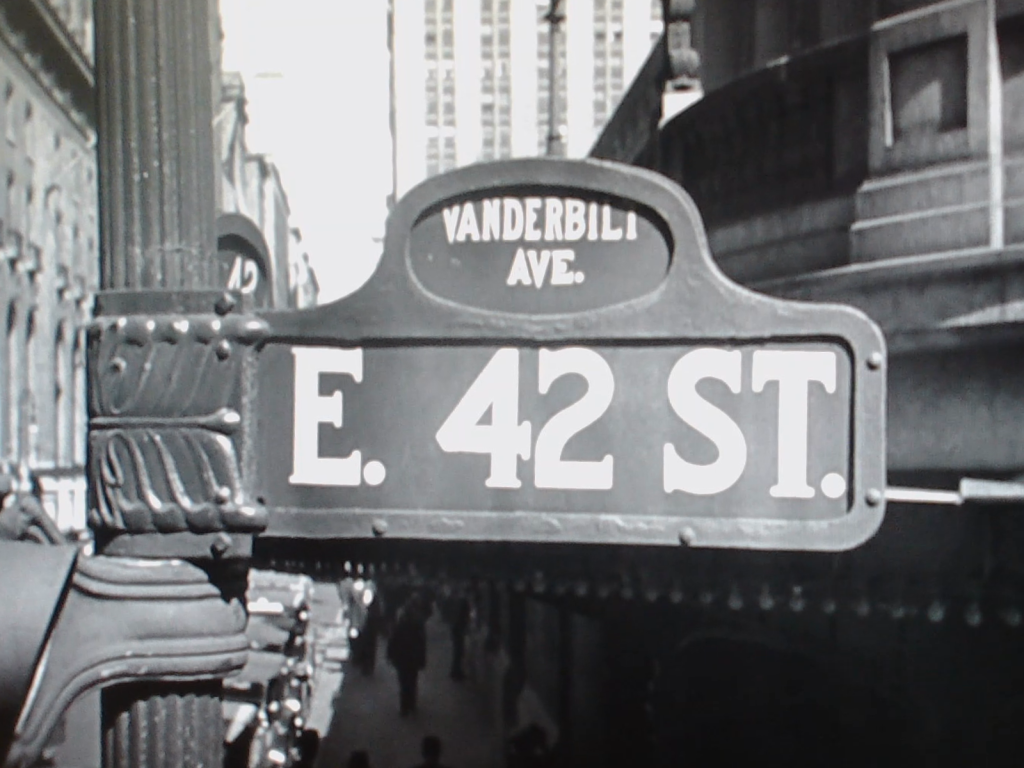
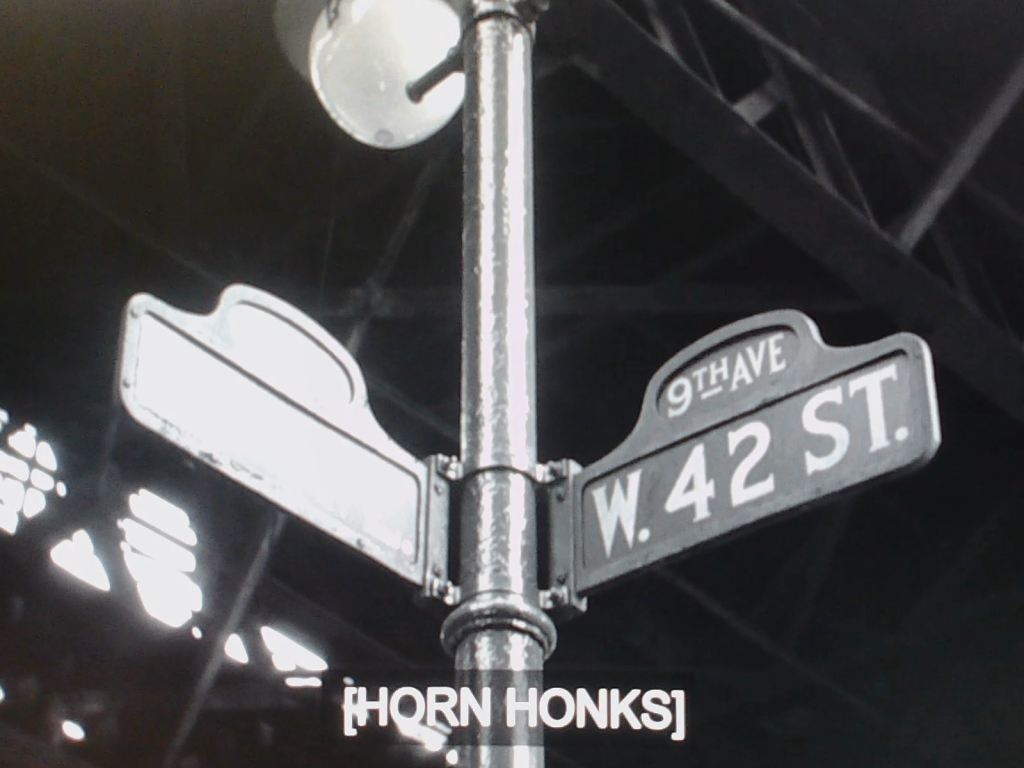
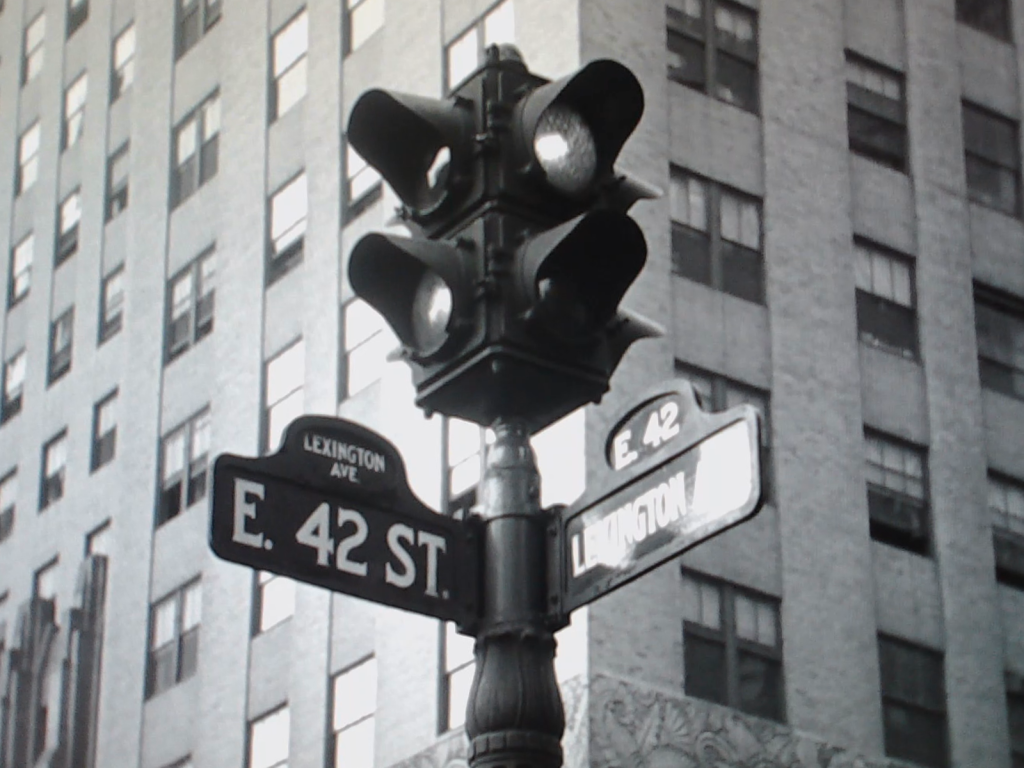
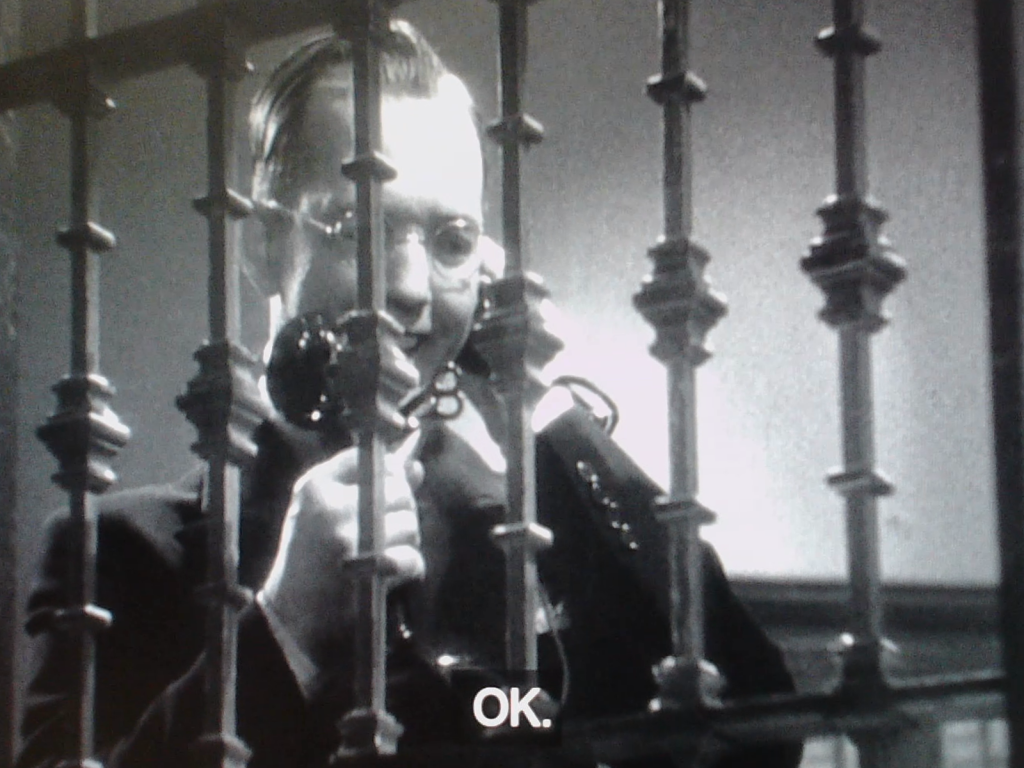
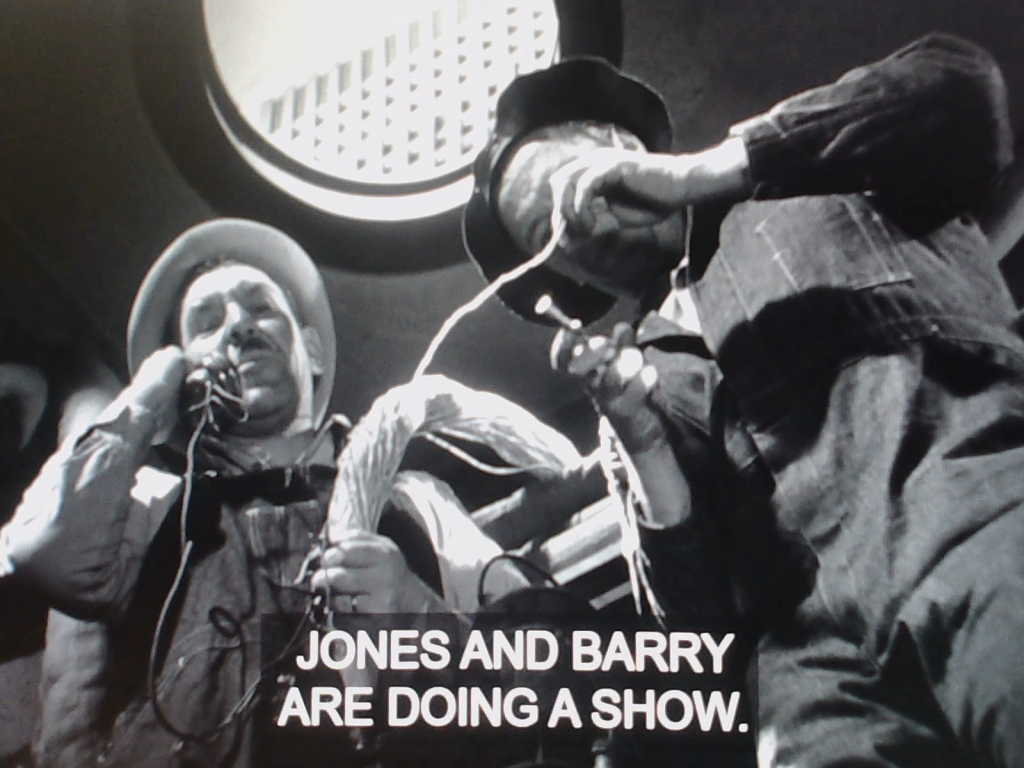
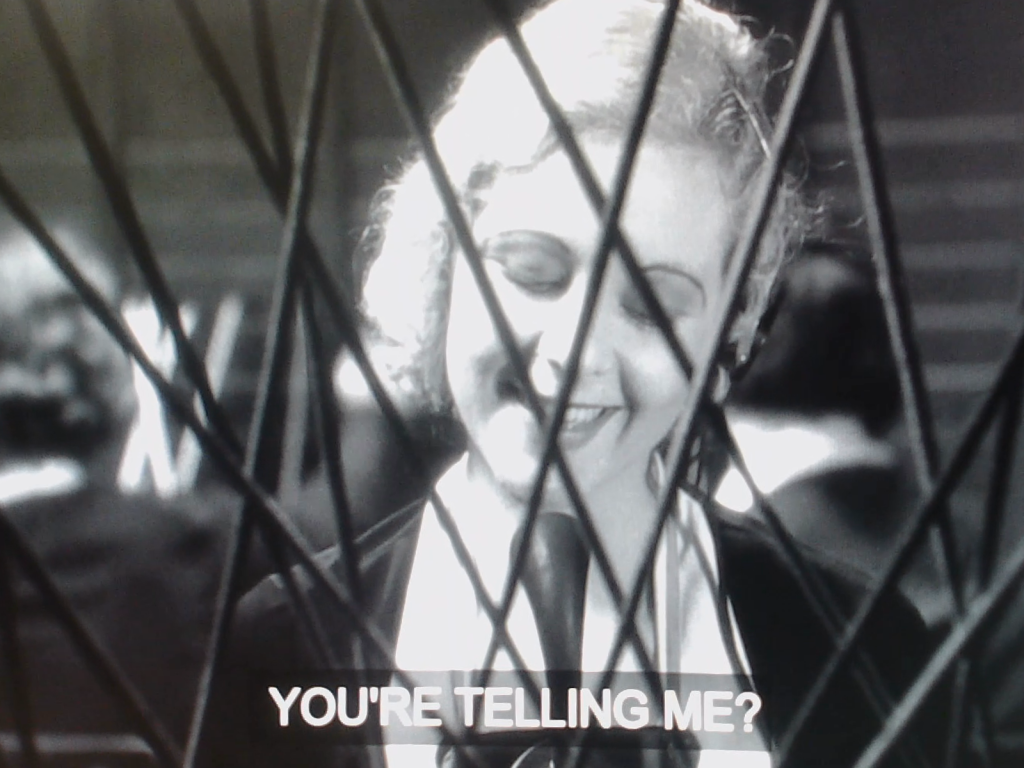
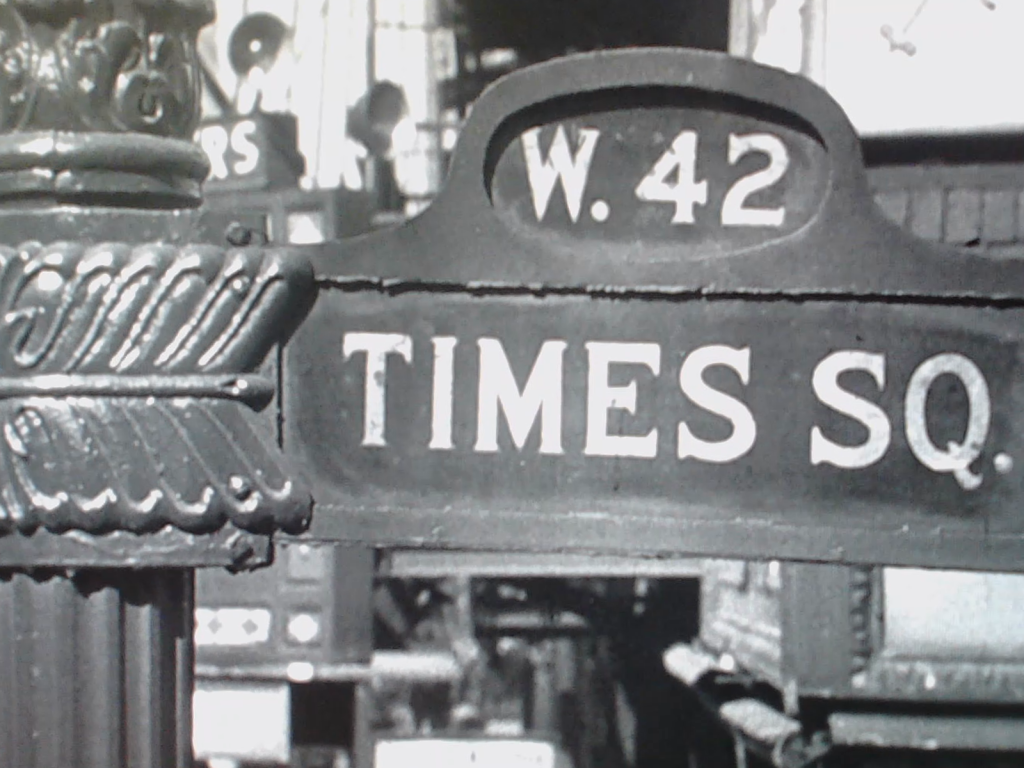
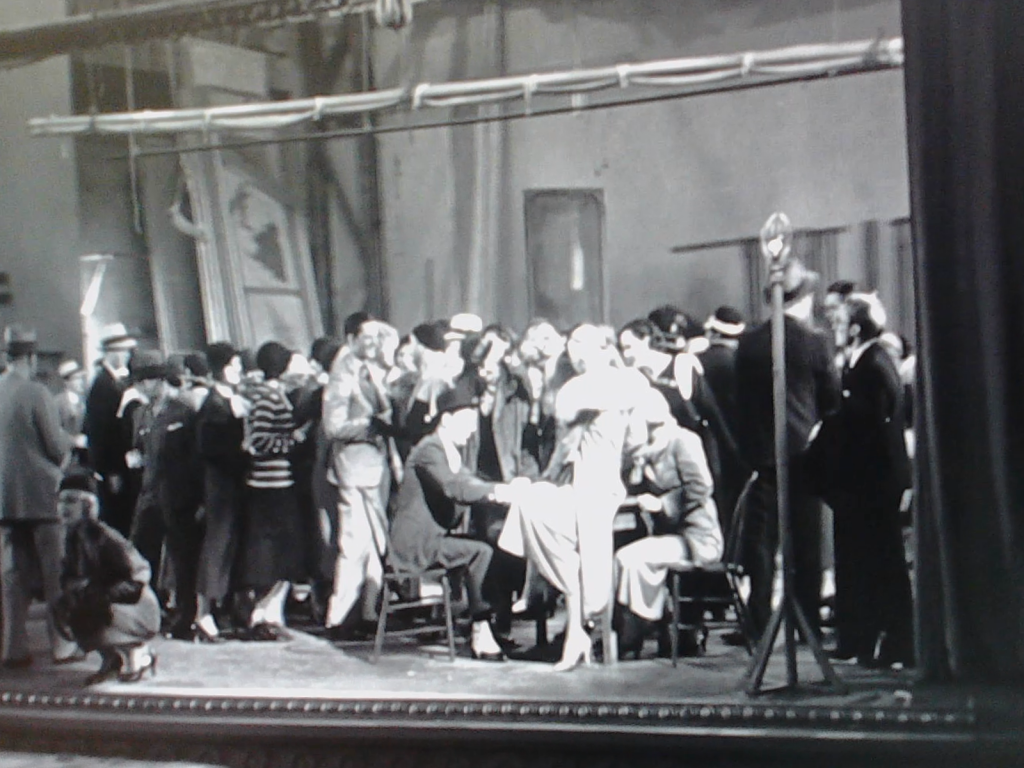
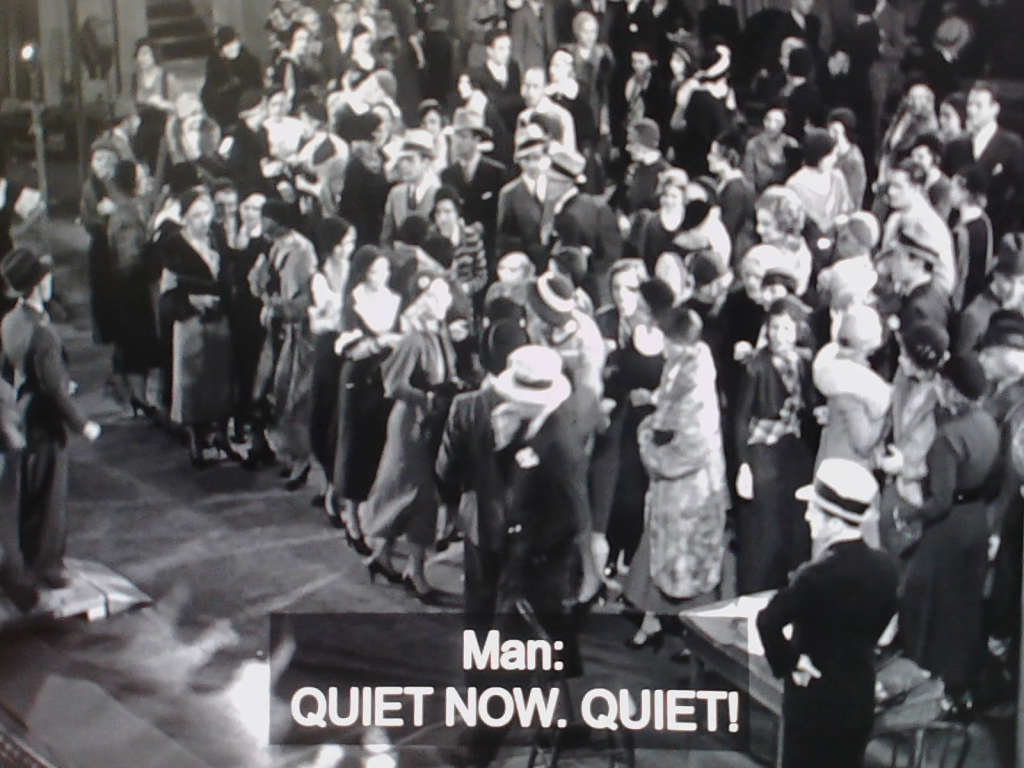
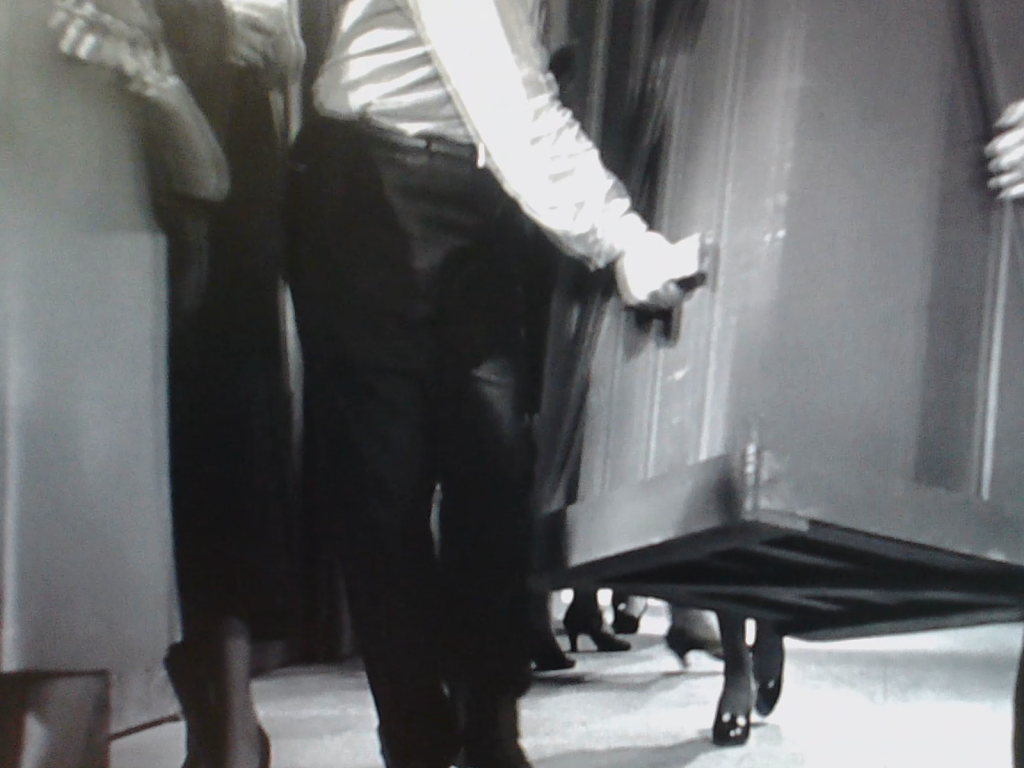
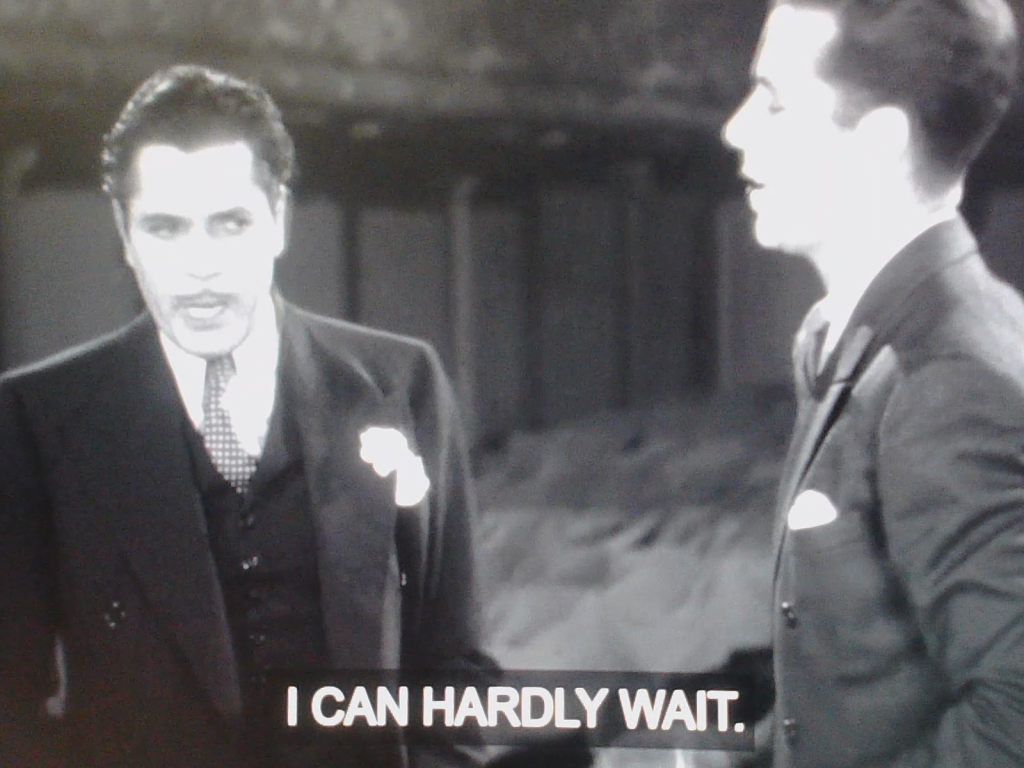
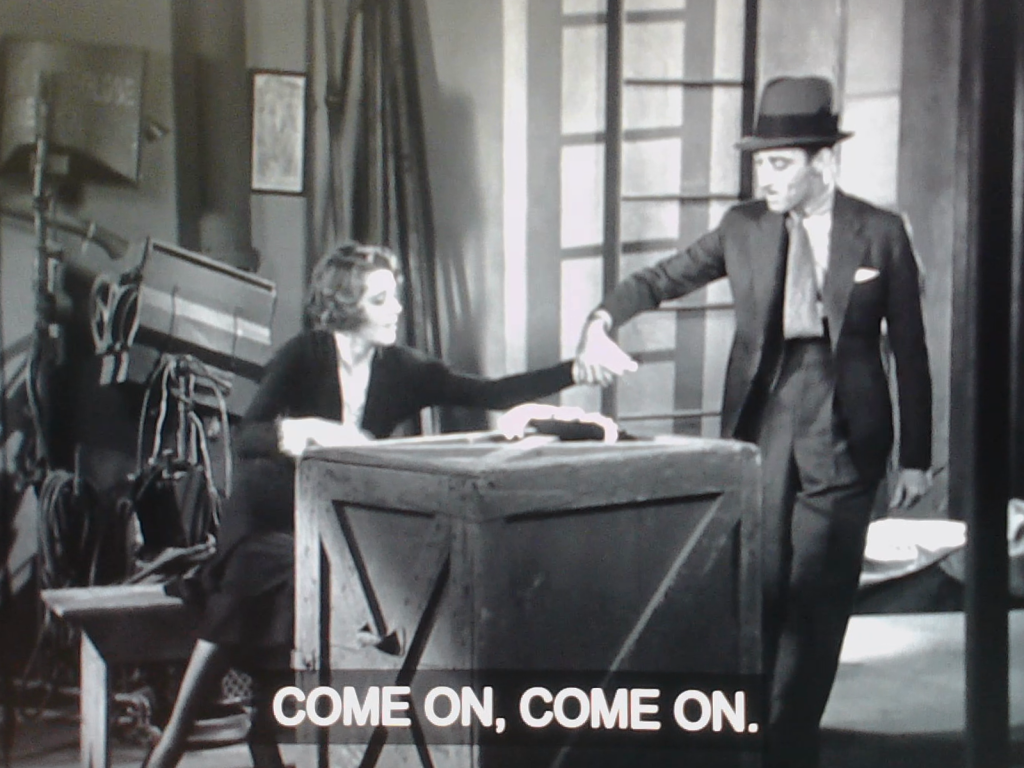
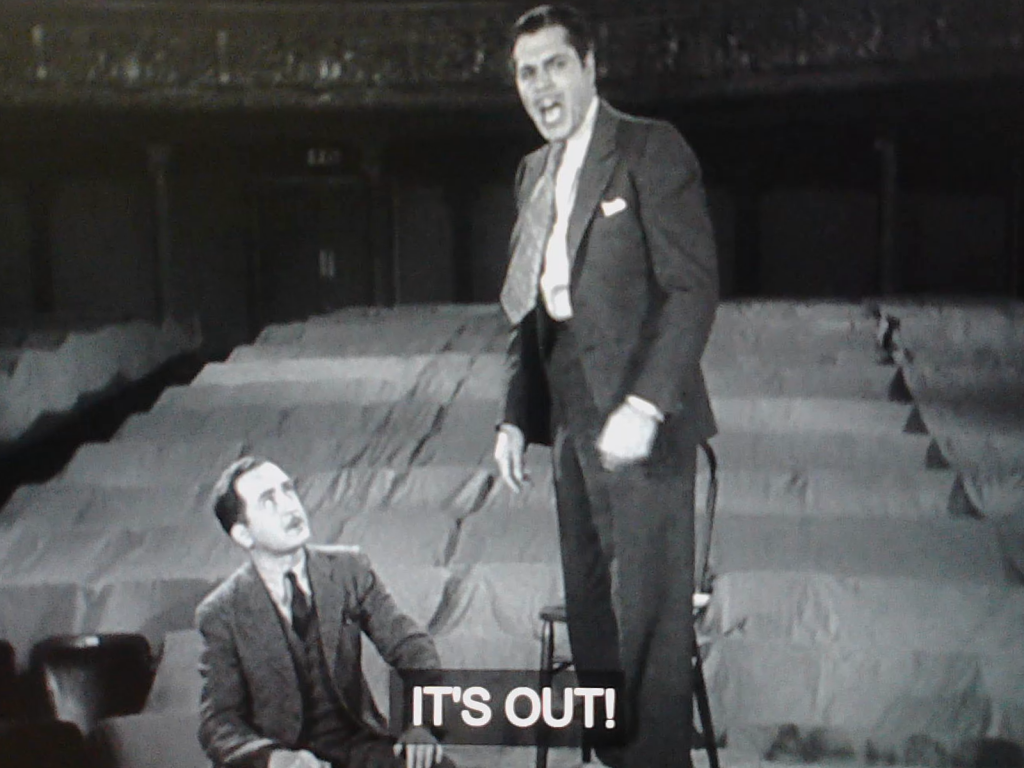
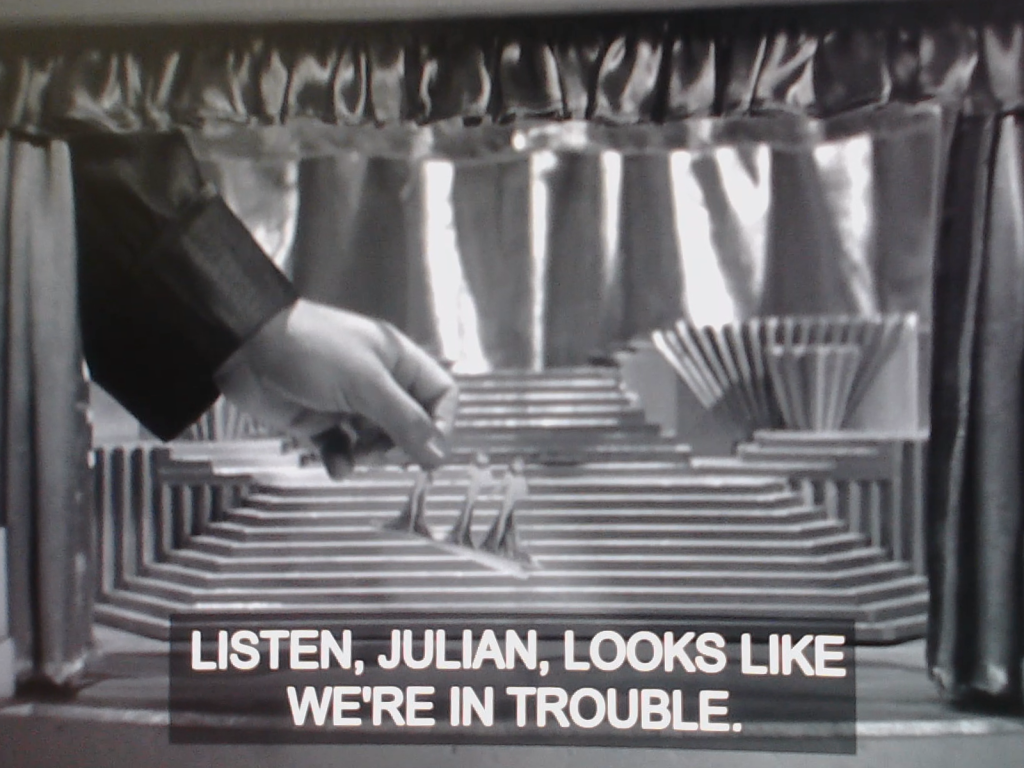
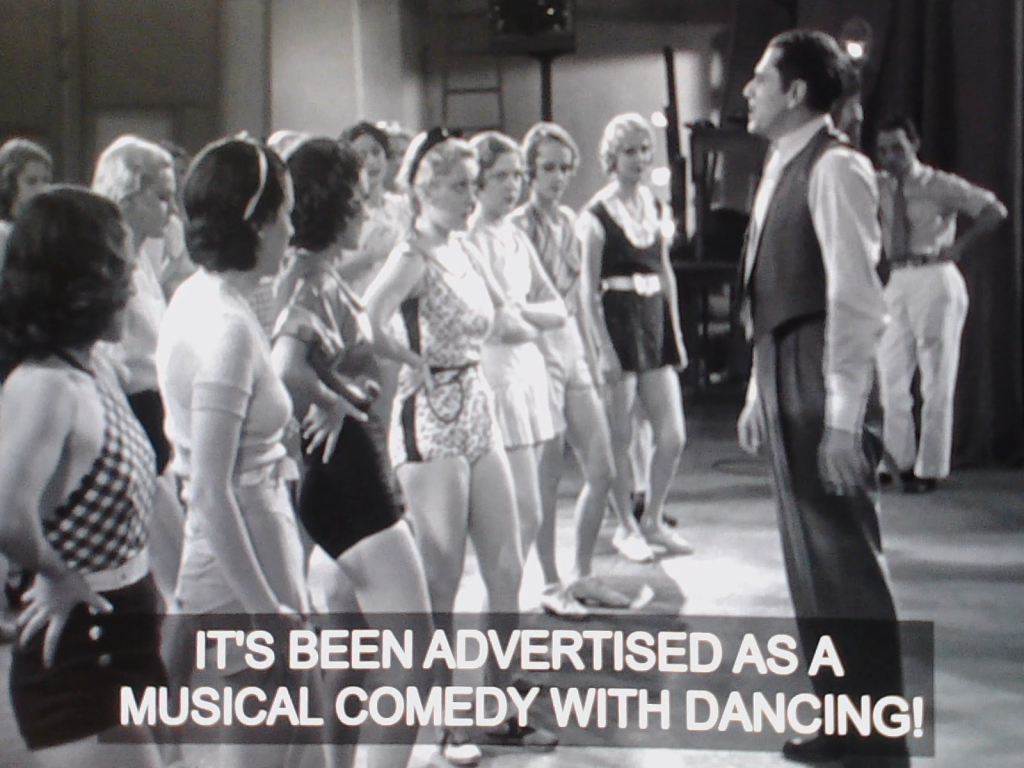
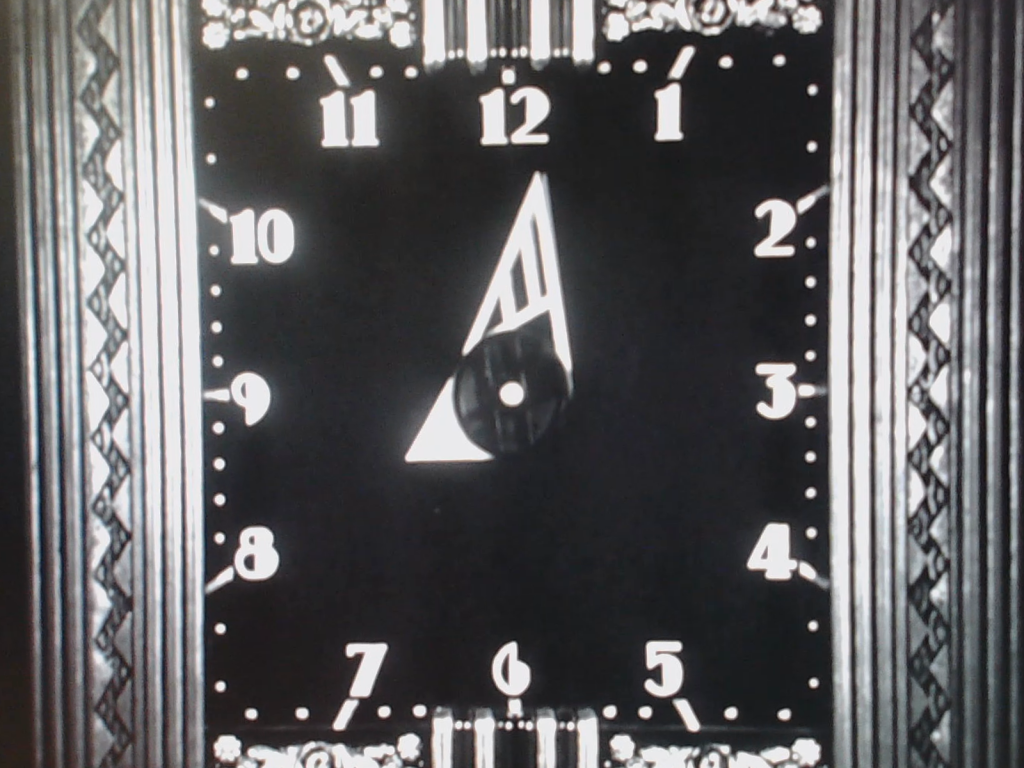
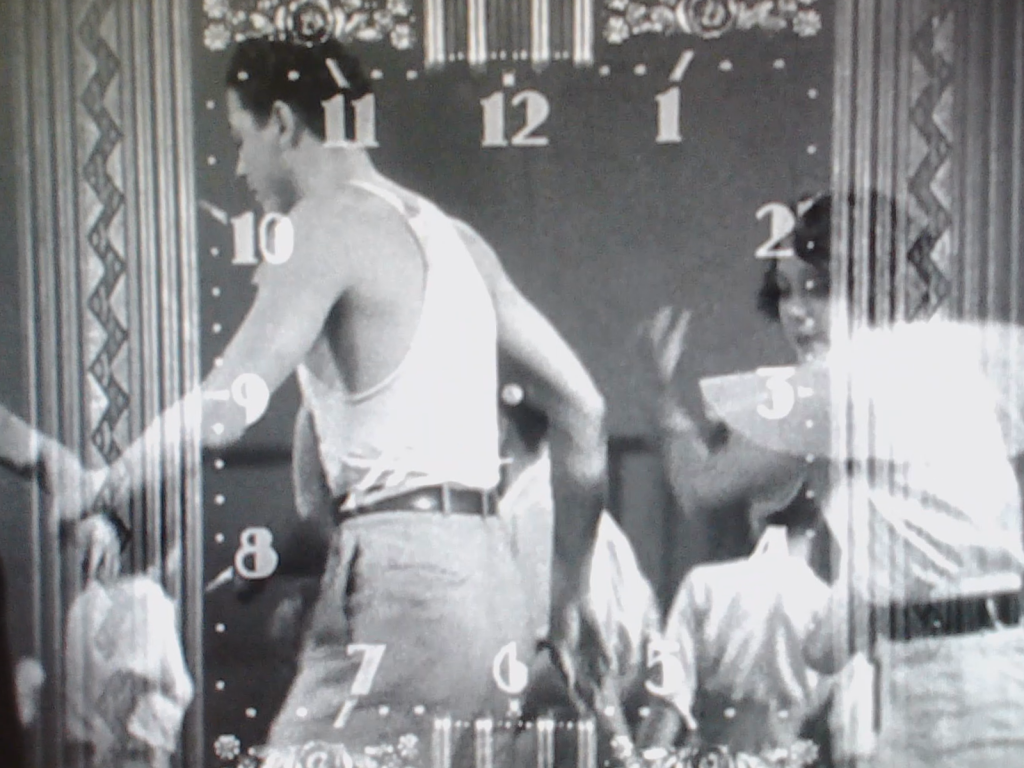
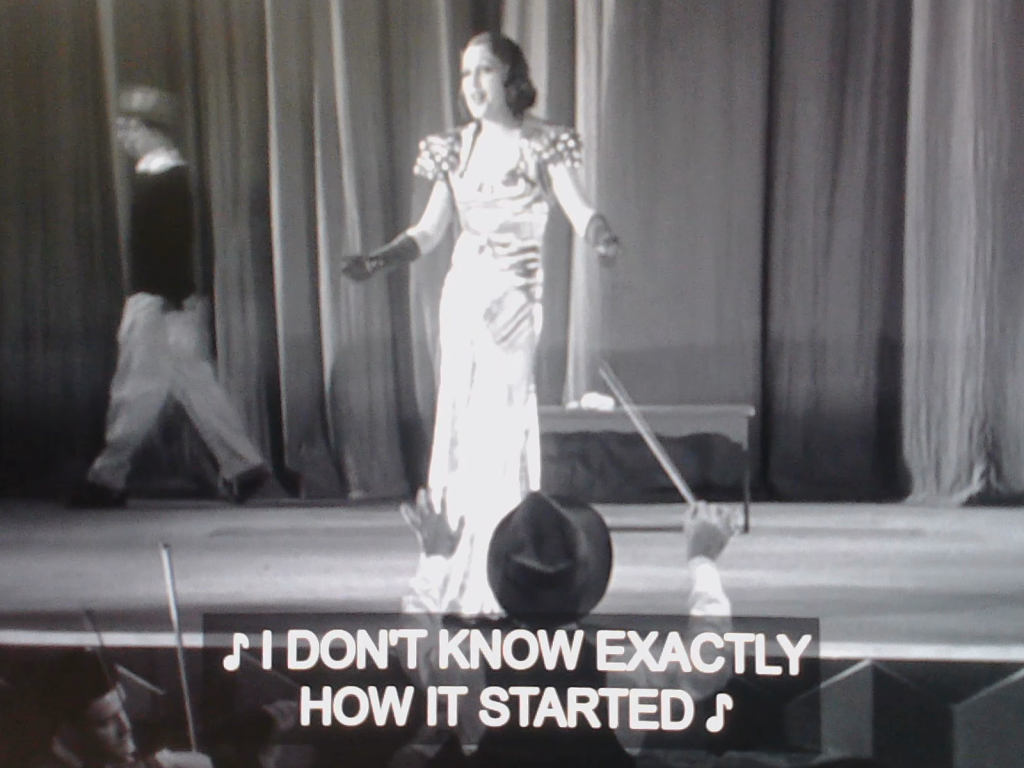
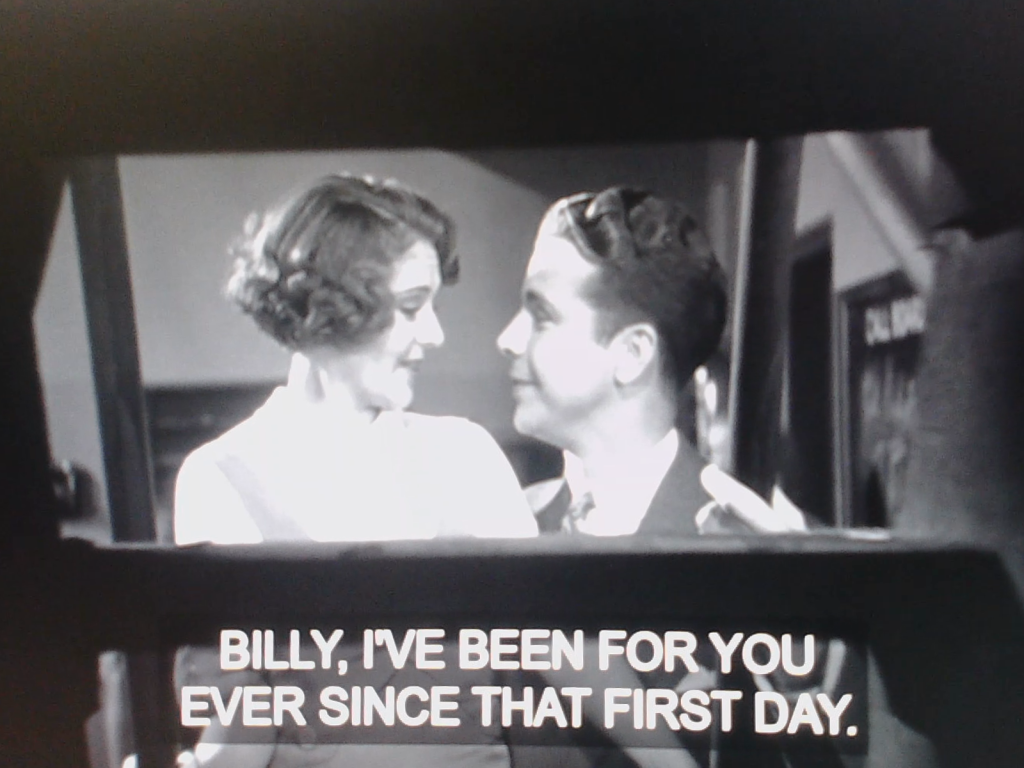
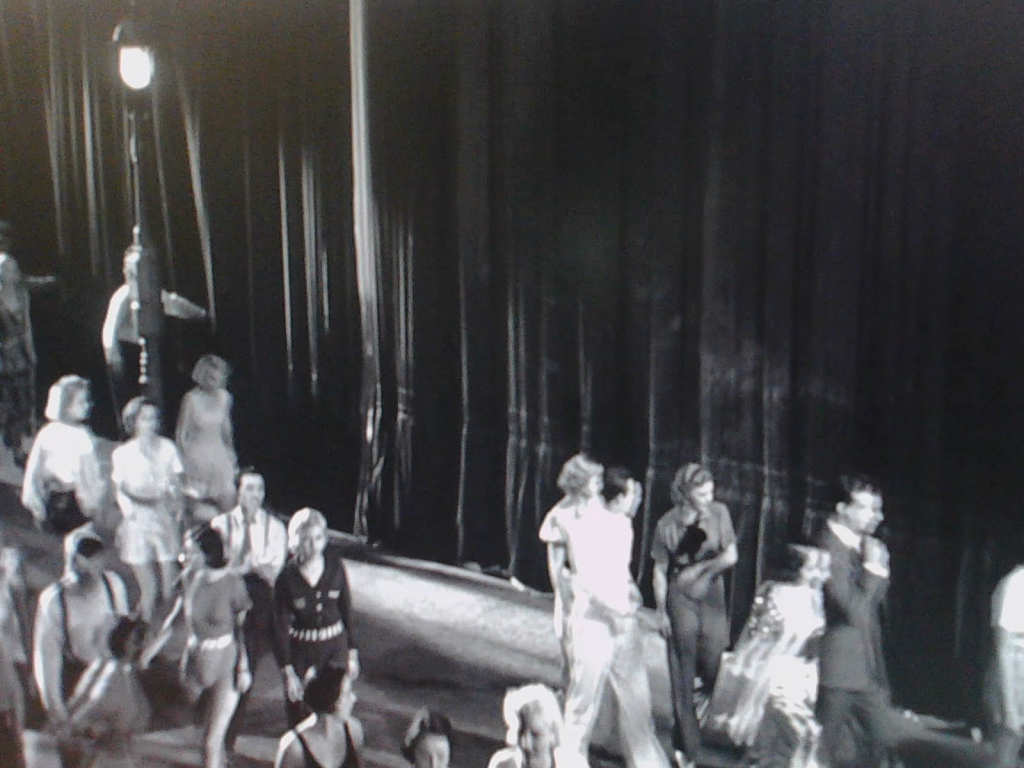
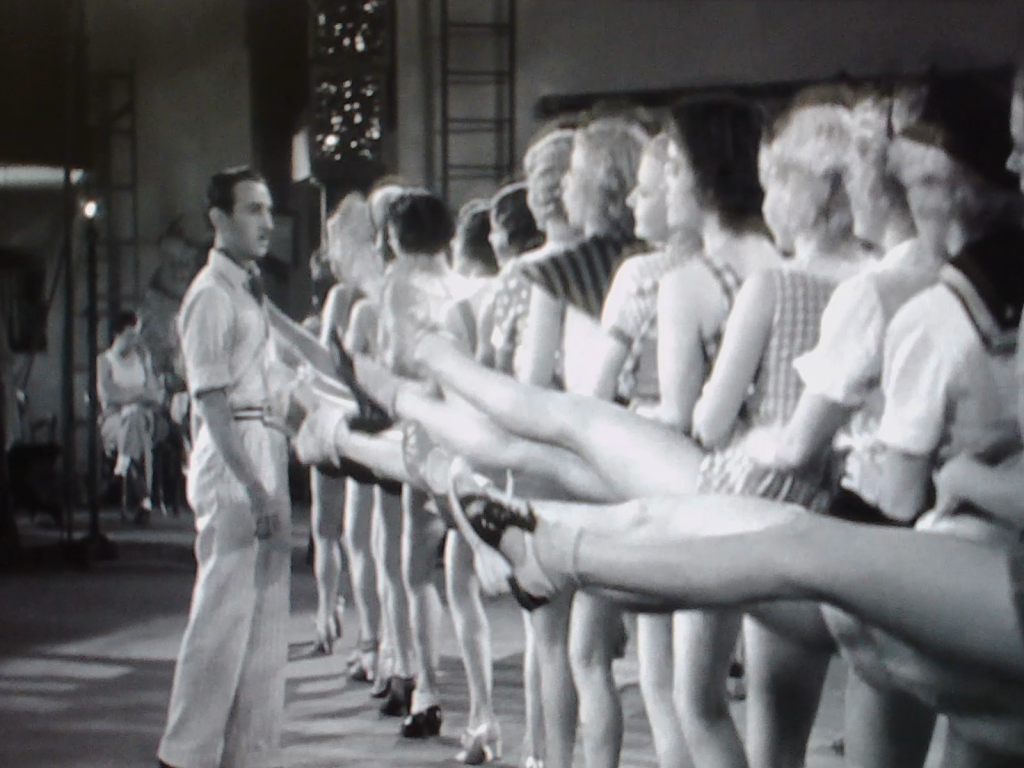
The 1933 film was racey and edgy, especially for that era. The cinematrography was done almost completely from low angles, strange angles, and with obstructred views. The crowded, obstructed, chaotic nature of what we do in show business was evident. Shots in the theatre were almost never straight-on from the audience perspective. They were from the elevated fly rail, or from the wings, or from the chorus line with fabric-covered audience seats in view in the house. It was immersive and put us into the minds of the performers. There was a deliberate effort to bring the audience backstage in both charming and uncomfortable ways.
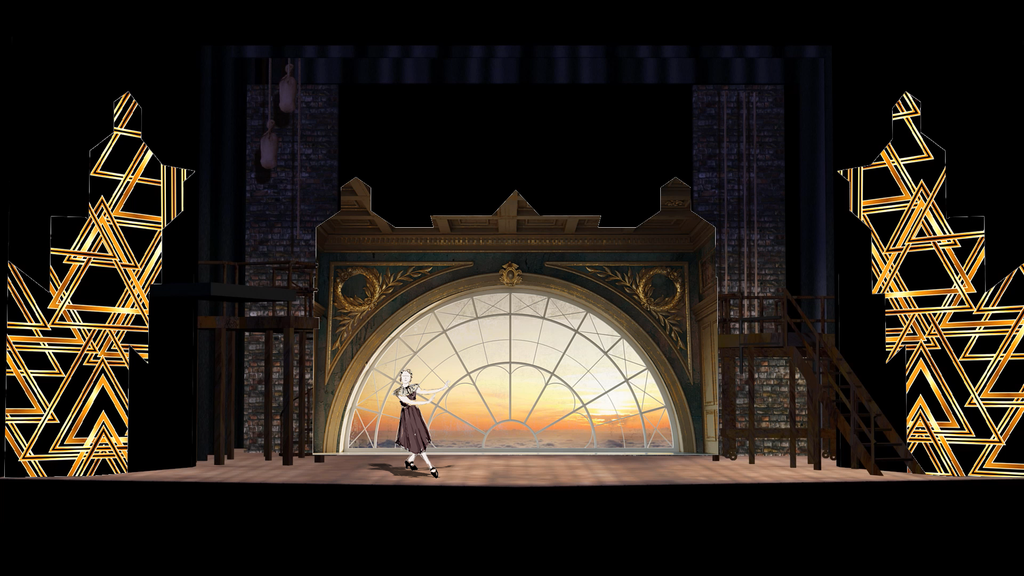
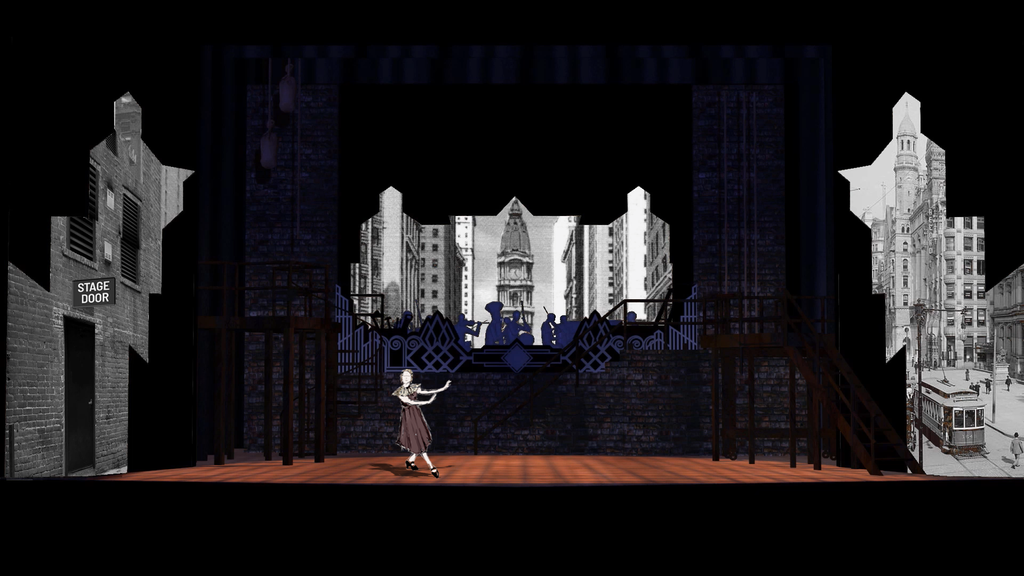
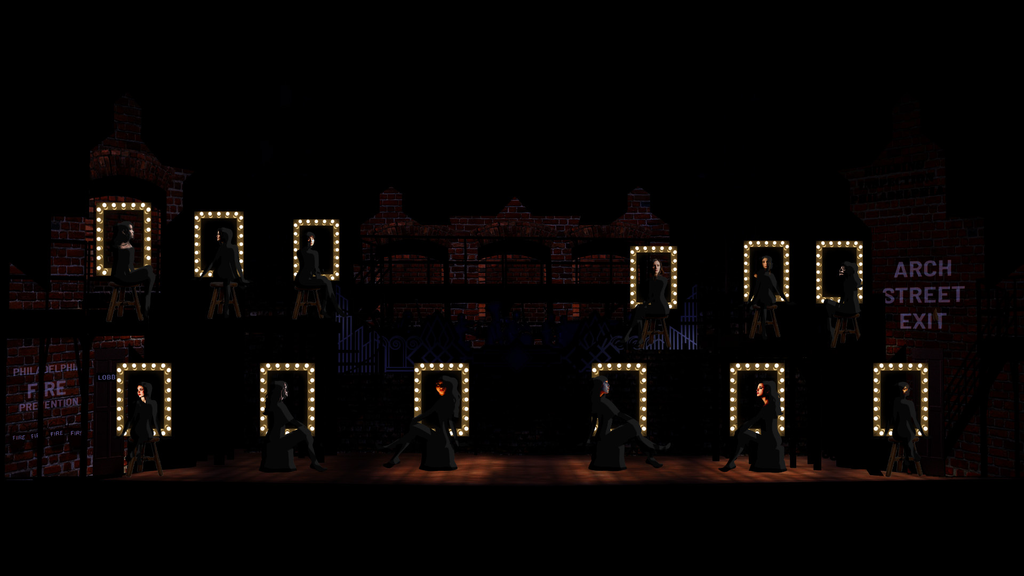
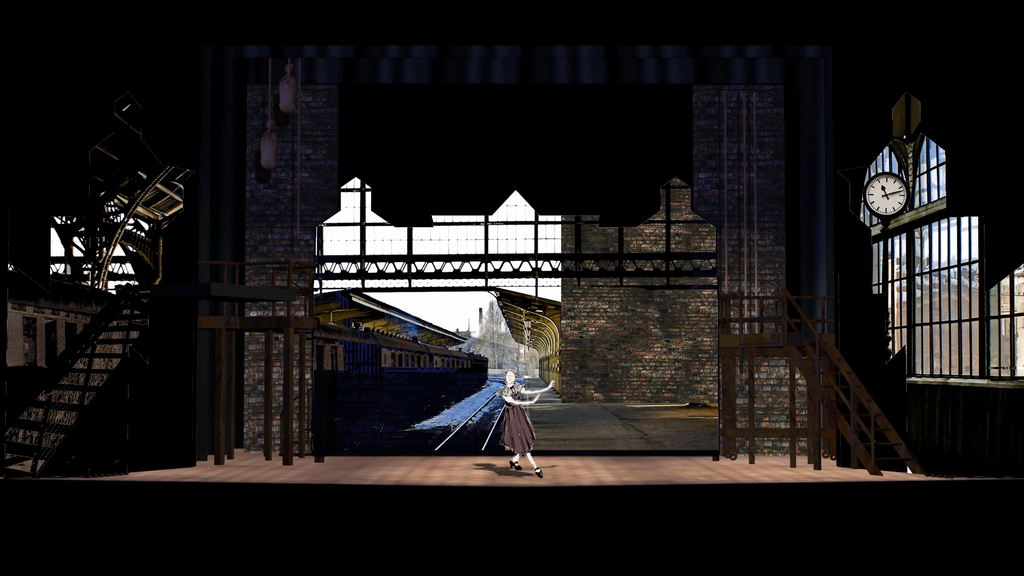
The Tate Design Group produced this set design for the Ordway Center in St. Paul, Minneapolis. It captures the energy and the complexity of a theatrical space backstage. It has lots of stairs and catwalks. It is really beautiful. For my mind however, it does NOT capture the chaos. It caters to the idealized version of musical-theatre by playing straight-on to the audience and by employing absolute symmetry.

Mike Wood designed this set for City Springs Theatre Company in 2018. The site cannot be embedded, but you can open it here: https://mikewoodld.com/projects/42nd-street/ It uses rounddance plaforms similar to the Broadway production and electric marquees seen in other productions as well. His site demonstrates the effects for Shadow Waltz nicely and includes footlights and scrim effects. Though it has good wide spaces for dance, it also integrates performers with space solidly, though perhaps it does not capture the architecture of backstage space as well as the Tate Design group.